
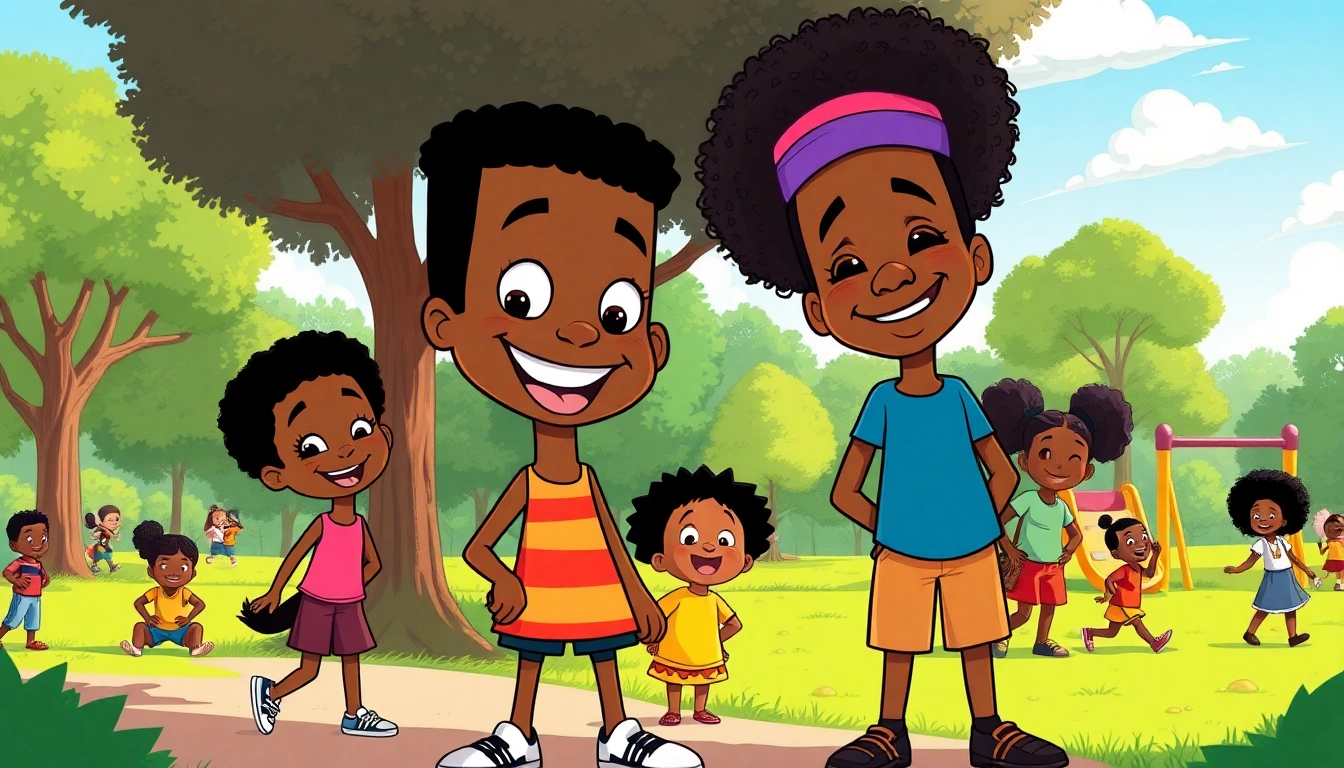
Introduction to African American Cartoons
The animation landscape is as vast and diverse as the stories it tells. Among the most significant contributions to this medium are African American cartoons, which celebrate cultural narratives, challenge societal norms, and provide representation for a community historically underrepresented in media. Understanding the impact of these cartoons requires looking at their evolution, the importance of representation, and the rich tapestry of characters and stories that they encompass. For those looking to explore the realm of African American Cartoons, whether for entertainment or education, this article provides a comprehensive guide.
The Evolution of Black Animation
Black animation has a rich history dating back to the early 20th century. The early depictions of African American characters often resorted to stereotypes, painting a narrow and harmful view of the culture. However, as the years progressed, more innovative voices emerged in the industry, reshaping narratives and introducing humor, depth, and authenticity. Notably, during the 1990s, we saw a surge of quality animated series that featured African American protagonists, such as "The Proud Family" and "Static Shock." These shows not only entertained but also educated audiences about African American experiences and cultural pride.
Importance of Representation in Cartoons
Representation in media is crucial, particularly in children's programming where early impressions can shape lifelong perceptions. African American cartoons provide a platform to showcase diverse stories and characters that resonate with young audiences. When children see characters who look like them, it cultivates a sense of belonging and validation. Furthermore, it helps other children learn about diversity and inclusion, fostering empathy and understanding from an early age.
Overview of Popular African American Cartoons
- The Boondocks: A groundbreaking series known for its incisive social commentary and humor.
- The Proud Family: Focused on a young girl navigating her identity in a vibrant African American family.
- Static Shock: A teenage superhero tackling social issues while embracing his cultural heritage.
- Doc McStuffins: A beloved show featuring a young African American girl aspiring to be a doctor.
- Craig of the Creek: A series that beautifully captures the essence of childhood adventure and camaraderie in a multicultural setting.
Iconic African American Cartoon Characters
Notable Characters from the 80s and 90s
From the animated realms of the 1980s and 1990s emerged some of the most iconic African American characters. Characters like Fat Albert and the Cosby Kids brought humor and lessons about friendship and responsibility to the forefront. In addition, Huey and Riley Freeman from "The Boondocks" provided sharp social critiques wrapped in humor, elevating the conversation about race, culture, and identity.
Modern Characters Shaping Today’s Animation
Today’s African American characters in animation continue to break stereotypes and offer fresh narratives. Characters such as Tiana from "The Princess and the Frog" not only celebrate African American culture but also redefine princess narratives, showcasing hard work and determination. Additionally, animated series like "Big Mouth" and "The Owl House" include diverse characters of various backgrounds, reflecting the society we live in.
Diverse Voices in Animation
The animation industry is beginning to reflect a wider range of voices. Creators like Matthew Cherry, who directed the Academy Award-winning short film "Hair Love," represent a new generation of storytellers focused on authentic representation, sparking a movement toward inclusivity in animation. By embracing diverse voices, the industry can showcase the richness of African American culture in storytelling.
Educational Themes in African American Cartoons
Lessons on Culture and Identity
Many African American cartoons incorporate educational themes that engage children while teaching them about their identity and heritage. For example, shows like "Motown Magic" celebrate African American music history while conveying moral lessons through storytelling. This approach not only entertains but also educates young viewers on cultural significance.
Promoting Empathy and Understanding
Incorporating themes of empathy and understanding allows audiences to relate to experiences outside their own. Cartoons like "Doc McStuffins" promote kindness and compassion, presenting relatable moral dilemmas through the lens of an African American girl. This representation helps bridge cultural divides and fosters greater acceptance among children.
Inspiring Creativity through Storytelling
Animation as a medium encourages creativity, and African American cartoons uniquely inspire children to envision their stories. By showcasing characters who navigate adventures, children are motivated to create their own narratives, promoting literacy and creativity. Series like "Karate Kid" and "Star vs. The Forces of Evil" imbue young audiences with the confidence to express themselves through art and storytelling.
Where to Watch African American Cartoons
Streaming Platforms Offering Diverse Content
In our digital age, accessing African American cartoons has never been easier. Numerous streaming platforms, such as Netflix, Hulu, and Disney+, offer a selection of shows that highlight diverse characters and stories. For families seeking educational and inclusive content, these platforms provide valuable resources to engage and entertain children.
Developing a Family-Friendly Watch List
Creating a family-friendly watch list involving African American cartoons can facilitate meaningful viewing experiences. Parents can compile a list that includes classics like "The Proud Family" alongside modern favorites like "Craig of the Creek." By curating a mix of old and new, families can engage in discussions about representation and cultural identity.
Community Recommendations and Favorites
Community insights play a vital role in discovering hidden gems in African American animation. Online forums, social media, and local gatherings can serve as platforms for families to exchange recommendations. By sharing favorites, communities foster a deeper connection to African American culture and create opportunities for children to learn and grow together.
The Future of African American Cartoons
Emerging Trends in Animation for 2026
The animation industry is on the brink of revolutionary change as it embraces new technologies and storytelling techniques. As we approach 2026, expect to see an increase in virtual reality and augmented reality experiences that bring African American stories to life in innovative ways. These advancements will open doors for interactive education and cultural exploration.
Potential for New Stories and Characters
The potential for new stories and characters within African American animation is boundless. As more creators from diverse backgrounds enter the industry, we can anticipate narratives that reflect the complexity of modern African American life, including themes of social justice, mental health, and community resilience.
Impact of Technology on Animation Styles
Technology significantly influences animation styles, with advancements leading to more vibrant and engaging visuals. As we see developments in AI and machine learning, expect to witness groundbreaking animation techniques that allow for richer storytelling and heightened emotional engagement in African American cartoons.