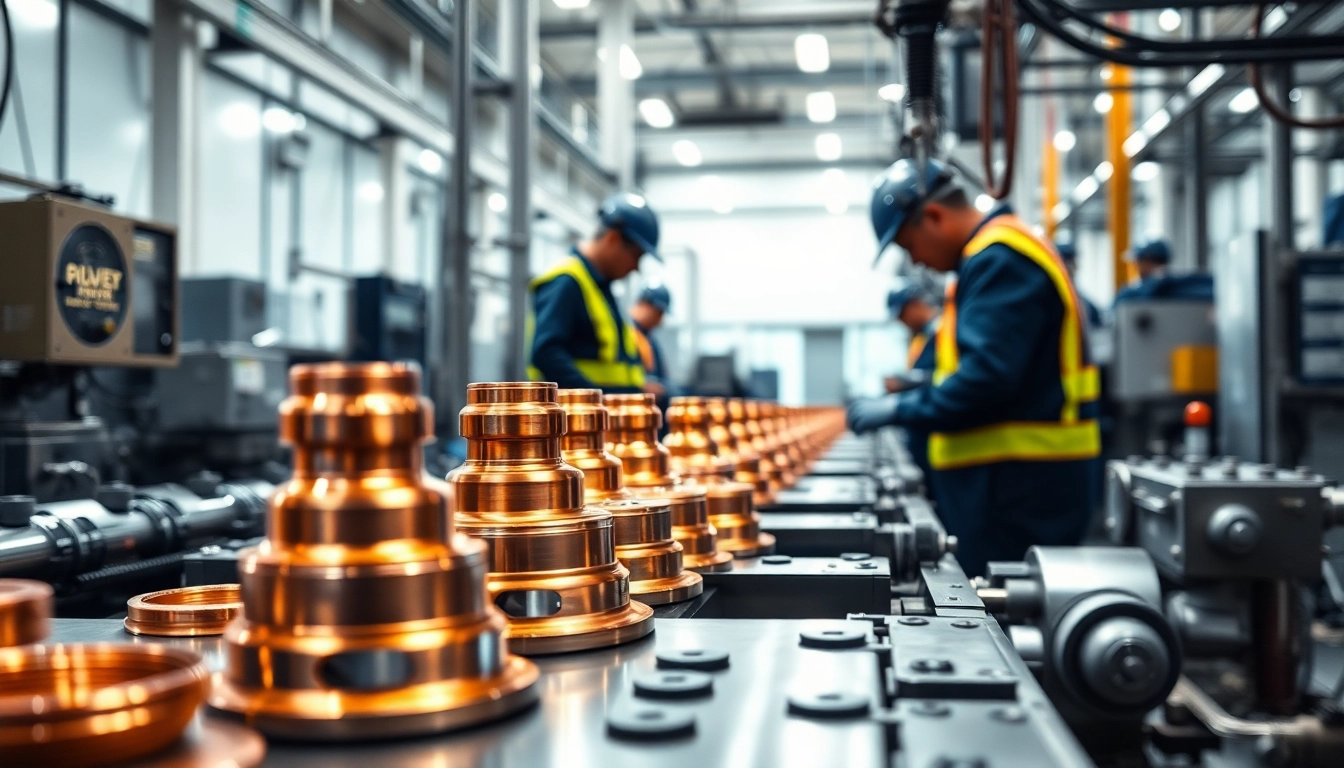
Understanding Steel Fabrication: An Overview
Defining Steel Fabrication
Steel fabrication is the process of creating steel structures through cutting, bending, and assembling the material. It plays a crucial role in construction, manufacturing, and various industries, providing essential components for buildings, bridges, vehicles, and machinery. The fabrication process converts raw steel into finished products using techniques such as welding, machining, and sheet metal forming, ensuring that the materials meet specific design requirements and tolerances.
The Importance of Steel Fabrication Shops
Steel fabrication shops are vital to the construction and manufacturing sectors. They serve as the architects of steel products, bringing designs to life while ensuring structural integrity and safety. A reputable steel fabrication shop can help streamline projects by delivering precision components on time and within budget. Their expertise in working with different grades and types of steel makes them indispensable for various applications, ranging from large-scale infrastructure projects to custom metalworks.
Common Applications of Steel Fabrication
Steel fabrication is used in numerous applications, including:
- Construction: Steel beams, columns, and trusses serve as the backbone of commercial and residential buildings.
- Heavy Machinery: Fabricated steel parts are critical for manufacturing equipment like cranes, excavators, and conveyors.
- Manufacturing: Steel is extensively used in the production of vehicles, appliances, and tools.
- Infrastructure: Bridges, highways, and railroads often rely on custom-fabricated steel components for their durability and strength.
Key Services Offered by Steel Fabrication Shops
Custom Metal Fabrication Solutions
Custom metal fabrication is a cornerstone service in steel fabrication shops that allows for the creation of unique components tailored to specific client or project needs. Utilizing advanced technologies and a skilled workforce, these shops can produce everything from simple frames to complex assemblies. Custom solutions ensure that designs meet exact specifications while optimizing functionality and performance.
Welding Techniques and Specializations
Welding is a fundamental aspect of steel fabrication, with various techniques employed based on material types and project requirements. Common methods of welding include:
- MIG Welding: A versatile process suitable for different materials, known for its speed and ease of use.
- TIG Welding: Provides high-quality welds and is ideal for thin materials.
- Stick Welding: A traditional method suitable for outdoor applications and thicker materials.
Steel fabrication shops often employ certified welders who specialize in multiple techniques to ensure quality and compliance with industry standards.
Additional Services: Cutting, Machining, and Finishing
In addition to fabrication, many shops offer ancillary services that enhance the final product quality:
- CNC Cutting: Precision cutting techniques that allow for intricate designs and labor-saving efficiencies.
- Machining: Processes such as milling, turning, and drilling, used to refine parts to exact specifications.
- Finishing: Surface treatments like powder coating and galvanization protect against rust and wear while enhancing appearance.
Choosing the Right Steel Fabrication Shop
Factors to Consider When Selecting a Shop
Choosing the right steel fabrication shop is crucial for project success. Consider the following factors:
- Reputation: Look for reviews and testimonials from past clients to gauge the reliability and capability of the shop.
- Capabilities: Ensure that the shop has the necessary equipment and expertise to handle your specific project requirements.
- Timelines: Be clear about delivery times and any deadlines you may have; a reliable shop should provide realistic estimates.
Evaluating Experience and Certifications
Experience and certifications are key indicators of a fabrication shop’s competence. Teams with extensive knowledge in various fabrication techniques and relevant certifications demonstrate adherence to industry standards. Requesting examples of previous work or case studies can provide insight into their capabilities and attention to detail.
Understanding Pricing and Quotes
Pricing in steel fabrication can vary significantly based on the complexity and scale of the project. When obtaining quotes, ensure that they are detailed and transparent, covering all aspects of the fabrication process, including material costs, labor, and any additional services. Understanding these factors will help you make an informed decision and avoid unexpected expenses.
Innovations in Steel Fabrication Techniques
Latest Technologies in Metal Fabrication
The steel fabrication industry is constantly evolving with advancements in technology. Innovative tools such as robotic welding systems and laser cutting machines enhance precision and efficiency, reducing production times while maintaining quality. These technologies enable fabricators to take on more complex projects and cater to a broader range of client needs.
Automation and Its Impact on Efficiency
Automation in steel fabrication helps to optimize workflows, reduce labor costs, and improve accuracy. Automated systems can complete repetitive tasks much faster than manual methods, freeing up skilled workers to focus on more complex tasks. This leads to higher productivity levels and decreased lead times for projects.
Sustainability Practices in Steel Fabrication
As environmental concerns grow, many steel fabrication shops are adopting sustainable practices. Techniques such as recycling scrap metal, using environmentally friendly coatings, and improving energy efficiency in operations not only benefit the planet but can also reduce operational costs.
Frequently Asked Questions
What is the role of a steel fabrication shop?
Steel fabrication shops transform raw steel into finished products, specializing in cutting, bending, and assembling to meet specific design specifications.
How long does a typical steel fabrication project take?
The duration varies based on the project’s complexity and size, ranging from a few days to several weeks, depending on the scope and specifics involved.
What materials are commonly used in steel fabrication?
Common materials include carbon steel, stainless steel, aluminum, and various alloys, chosen based on the desired properties and project requirements.
Can a steel fabrication shop handle custom orders?
Yes, most steel fabrication shops are equipped to handle custom orders, providing tailored solutions based on client specifications and requirements.
What certifications should a steel fabrication shop have?
Look for certifications such as ISO, AWS, or ANSI that demonstrate compliance with industry standards and commitment to quality in steel fabrication.