Understanding Steel Structure Design
Basics of Steel Structure Design
Steel structure design is a crucial element of modern architecture and engineering. It revolves around the principles of utilizing steel as a primary building material to create sturdy frameworks that support various types of structures, from skyscrapers to bridges. A thorough understanding of the basics of steel structure design is essential for constructing durable and efficient buildings. Steel’s high strength-to-weight ratio, adaptability, and resistance to deformation make it an attractive option during the design process.
Benefits of Using Steel in Construction
Choosing steel as a primary material comes with numerous benefits:
- Durability: Steel structures withstand extreme weather conditions, corrosion, and pest damage.
- Cost-Efficiency: Initial investment in steel can be higher; however, the longevity and minimal maintenance costs lead to overall savings.
- Speed of Construction: Steel components are prefabricated, allowing for faster assembly on-site, thus reducing construction timelines.
- Design Flexibility: Steel’s versatility leads to a wide range of design possibilities, enabling innovative architectural forms.
Key Components of Steel Structures
Understanding the essential components is vital for a successful steel structure design. The primary elements include:
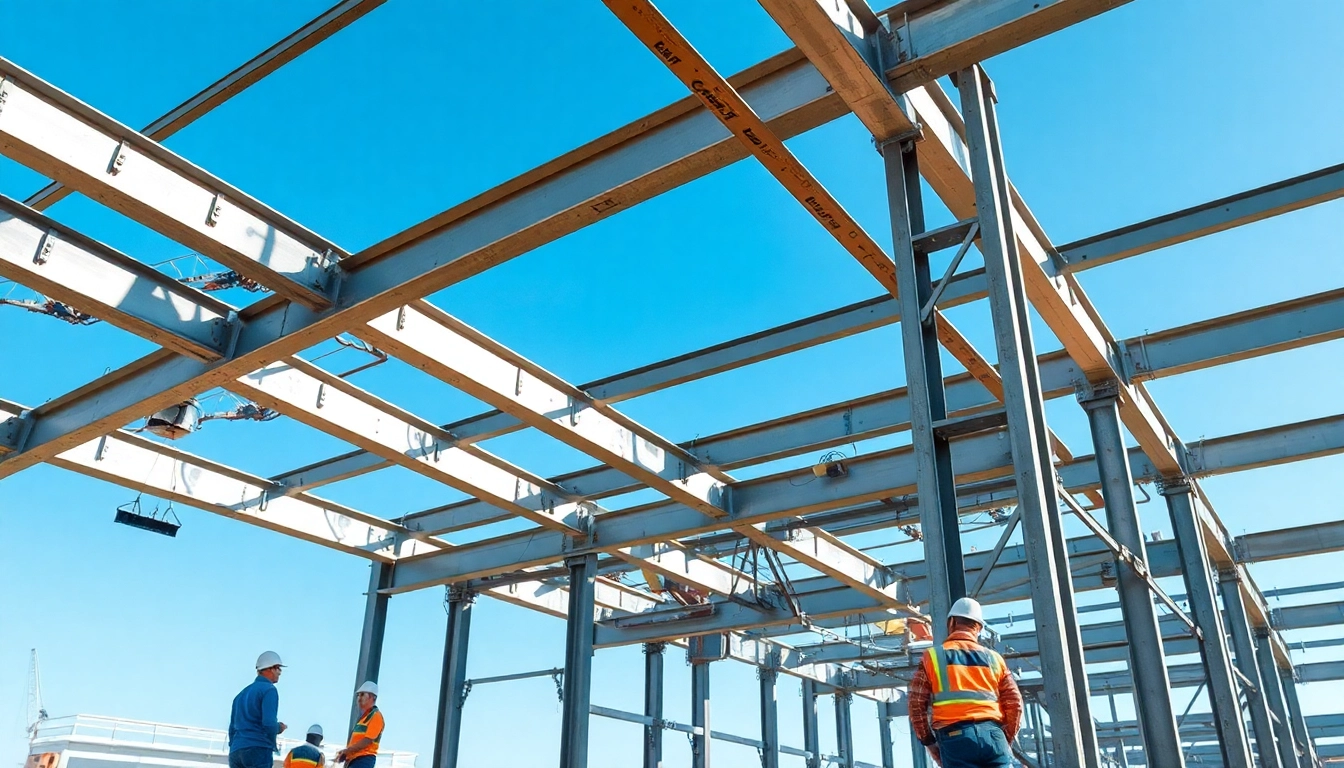
- Beams: Horizontal members that bear loads from the roof or floors down to the columns.
- Columns: Vertical elements that support beams and carry loads to the foundation.
- Trusses: Frameworks of beams that support roofs or bridges, providing a strong structure with less material.
- Connections: The joinery where different steel members converge, crucial for maintaining the integrity of the overall design.
Design Principles for Steel Structures
Aesthetics in Steel Structure Design
Aesthetics play a fundamental role in architectural design. The use of steel allows for sculptural forms, open spaces, and innovative designs that can become a testament to artistic expression. Incorporating elegance alongside functionality often entails using exposed steel elements and creating dynamic visual lines, making the structure an integral part of its environment.
Load-Bearing Considerations
Load-bearing analysis is a critical aspect of steel structure design. Engineers must thoroughly understand various types of loads, including:
- Dead Loads: Permanent static weights from the building materials and fixed installations.
- Live Loads: Temporary loads from occupants, furniture, and movable equipment.
- Environmental Loads: Forces from natural elements like wind, snow, and seismic activity.
Each design must be scrutinized to ensure it can comfortably bear these loads throughout the structure’s lifespan.
Environmental Impact and Sustainability
Incorporating sustainability in the steel structure design process is increasingly prominent. Engineers must consider steel production’s environmental impact, promoting recycling and sourcing from sustainable practices to minimize ecological footprints. Additionally, designs focusing on energy efficiency, such as materials with high insulative properties, contribute to lowering operational energy demands.
Construction Techniques for Steel Structures
Modern Fabrication Processes
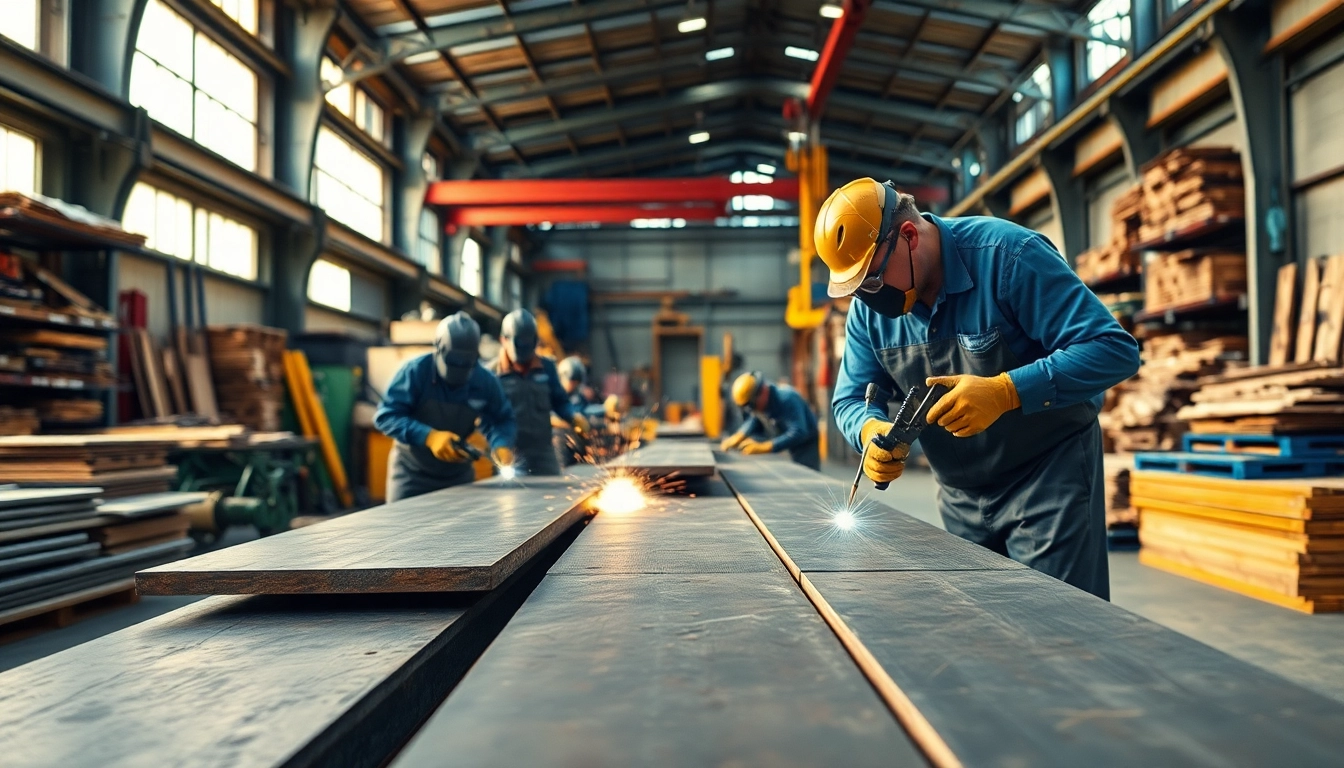
Advancements in fabrication technologies greatly facilitate the construction process of steel structures. Computer-aided design (CAD) and automated technologies allow for precision manufacturing, minimizing waste and ensuring components meet exact specifications. Techniques like laser cutting and robotic welding enhance performance and quality in the build.
Assembly and Erection Methods
Efficient assembly and erection methods include:
- Modular Construction: Involves constructing sections off-site which are then transported and assembled on-site, speeding up completion times.
- Pre-Engineered Steel Buildings: Built from standardized components, reducing costs and construction time while ensuring efficiency.
- Traditional Methods: Conventional techniques, while less efficient, are still used for custom designs requiring unique configurations.
Safety Practices in Steel Construction
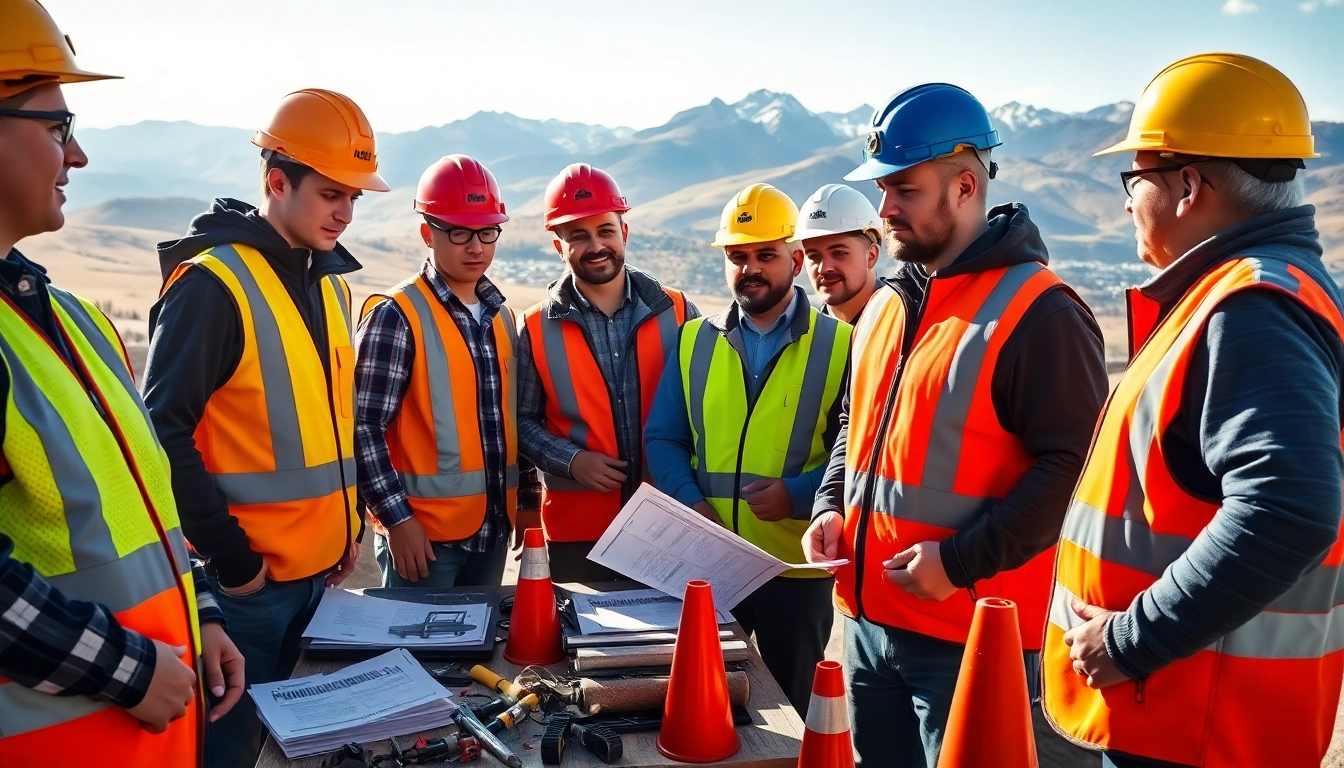
Safety is paramount in steel construction due to the complexity and scale of projects. Implementing strategies like rigorous training for workers, regular site inspections, and using appropriate personal protective equipment (PPE) minimize risks of accidents and injuries. Safety management systems should be integrated into every phase of construction.
Challenges in Steel Structure Design
Addressing Design Constraints
Steel structure design often faces various constraints, including site limitations, budget restrictions, and regulatory standards. Each challenge requires innovative solutions, such as optimizing designs to fit spatial constraints without compromising strength or performance.
Regulatory Requirements
Compliance with building codes and regulations is critical for steel structures. Designers must stay updated with local and national standards that govern safety, sustainability, and environmental impact to ensure successful project approvals.
Mitigating Costs during Construction
Cost control is essential for maintaining project budgets. Effective strategies include thorough planning, using cost-effective materials without sacrificing quality, and managing schedules to reduce downtime. Employing value engineering techniques can also identify alternatives to expensive components while maintaining design integrity.
Future Trends in Steel Structure Design
Advancements in Materials
The future of steel structure design looks promising with continual advancements in materials science. Developments like high-strength alloys and composite materials will allow for lighter and more resilient structures, enhancing performance and longevity.
Integration of Technology and Design
Technology is reshaping the field of steel structure design through Building Information Modeling (BIM), which facilitates virtual modeling and collaboration among stakeholders. This integration allows for better visualization, coordination, and problem-solving throughout the design and construction process.
Long-term Performance and Maintenance
As steel structures age, the focus on long-term performance and maintenance becomes crucial. Predictive maintenance strategies utilizing IoT and AI technologies can enhance monitoring systems, allowing engineers to assess the condition of the structure and undertake necessary repairs proactively, extending its lifespan significantly.
Frequently Asked Questions
What are the main advantages of steel in construction?
Steel offers numerous advantages, including high strength-to-weight ratio, design versatility, durability, and cost-efficiency over the structure’s lifetime.
How does steel structure design differ from concrete design?
Steel designs typically focus on load-bearing steel frames and connections, while concrete structures involve more mass and rigidity, affecting design choices and loads handled.
What are the typical components of a steel structure?
Key components include beams, columns, trusses, and connections, each serving critical roles in ensuring stability and load distribution.
What safety practices should be observed during steel construction?
Essential safety practices include thorough training, regular site inspections, using protective gear, and establishing clear safety protocols for all workers.
How does sustainability affect steel structure design?
Sustainability influences materials sourcing, energy efficiency, waste reduction, and promoting recycling, all of which align with modern environmental standards in construction.