Security Systems That Integrate With Your Smart Home
The modern home is becoming increasingly connected, with smart devices automating lighting, climate control, appliances, and entertainment systems. Amid this technological evolution, security systems have adapted to integrate seamlessly into smart home ecosystems. Security Systems that integrate with smart home devices provide not only protection but also convenience, efficiency, and control at the fingertips of homeowners. These systems allow users to manage locks, cameras, alarms, and sensors through mobile apps or voice commands, creating a unified approach to safety and home automation.
Integration between security systems and smart home technology enhances both functionality and peace of mind. By connecting cameras, alarms, door locks, lighting, and other smart devices, homeowners can respond to events in real time, automate routines, and remotely monitor their property. This comprehensive integration goes beyond traditional security measures, offering proactive safety, energy efficiency, and convenience. Understanding the components, features, benefits, and best practices for installing integrated systems helps users maximize both security and smart home capabilities.
- Understanding Smart Home Integration
- Core Components of Smart Home Integrated Security Systems
- Features and Capabilities of Integrated Systems
- Benefits of Integrating Security Systems With Smart Homes
- Installation and Best Practices
- Choosing the Right Smart Home Integrated Security System
- Conclusion
- FAQs
Understanding Smart Home Integration
What Is Smart Home Integration?
Smart home integration refers to the interconnection of devices and systems within a home, allowing them to communicate, share data, and operate cohesively. Security systems are a central component of this ecosystem, interacting with smart lights, locks, cameras, thermostats, and voice assistants.
Integrated security systems can automatically respond to events, such as turning on lights when motion is detected or locking doors when the system is armed. Users can monitor and control devices remotely, receive intelligent alerts, and customize routines for both convenience and safety.
Why Integration Matters
Integration matters because it extends the functionality of a security system beyond traditional alarms. Smart home integration enables:
- Automation: Actions are triggered automatically based on system events.
- Remote Control: Users can manage devices from anywhere via mobile apps.
- Centralized Management: All devices are controlled through a single interface, simplifying operation.
- Enhanced Security: Connected devices work together to provide comprehensive monitoring and response.
By integrating security systems into smart homes, users achieve more efficient, responsive, and adaptable protection.
Core Components of Smart Home Integrated Security Systems
Cameras and Video Monitoring
Cameras are essential for integrated security, providing live video feeds, recorded footage, and motion alerts.
Indoor Cameras
Indoor cameras monitor entry points, hallways, and living areas. Integration allows users to view feeds on smart displays or mobile apps and receive notifications for unusual activity.
Outdoor Cameras
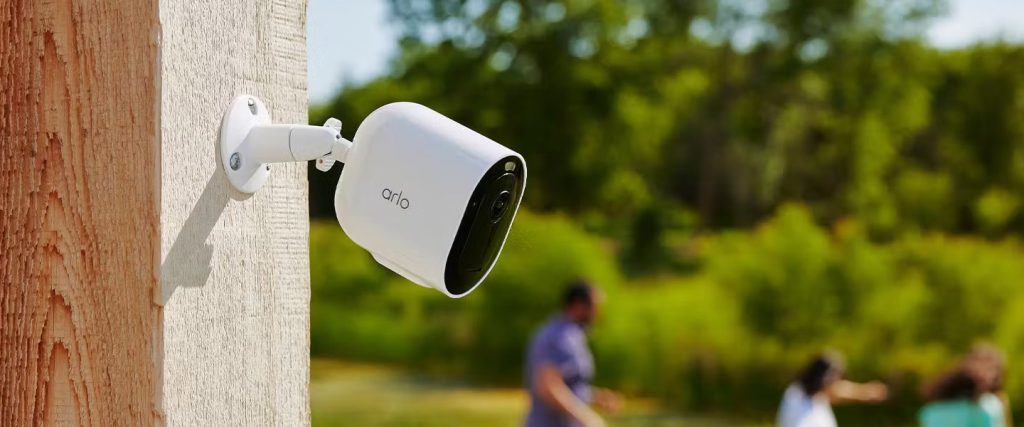
Outdoor cameras cover driveways, yards, and perimeters. Smart integration enables automated alerts when motion is detected, lighting adjustments, and direct communication with visitors via doorbell cameras.
Alarms and Sirens
Integrated alarms are triggered by sensors or connected devices. Sirens can activate automatically when unauthorized activity is detected, and notifications can be sent to mobile devices or smart displays.
Alarms in smart homes may also integrate with lighting or connected speakers to enhance deterrence. For example, lights can flash when an intrusion is detected, drawing attention and scaring off intruders.
Sensors and Motion Detectors
Door/window sensors, motion detectors, glass break sensors, and environmental sensors are integrated into smart home networks. They trigger alerts, activate cameras, or initiate automated responses like turning on lights or locking doors.
Smart Locks and Access Control
Smart locks enhance security by allowing keyless entry, remote access, and temporary codes for guests or service personnel. Integration with security systems enables automatic locking when the system is armed and alerts for unauthorized access attempts.
Mobile Apps and Control Panels
Control panels and mobile apps serve as the hub for integrated systems. Users can manage cameras, alarms, locks, and automation routines from a single interface. Features typically include:
- Arming/disarming systems remotely
- Accessing live and recorded video
- Receiving real-time notifications
- Automating device interactions based on system triggers
Voice Assistants
Voice assistants such as Amazon Alexa, Google Assistant, or Apple Siri can be integrated with security systems, enabling hands-free operation. Commands may include arming/disarming the system, checking camera feeds, or activating specific routines.

Features and Capabilities of Integrated Systems
Automation and Smart Routines
Smart home integration allows homeowners to create routines that automate security and convenience. Examples include:
- Automatically turning on porch lights when motion is detected at night
- Locking doors and activating alarms when leaving home
- Adjusting thermostat settings based on occupancy detection
- Sending alerts to users and professional monitoring services simultaneously
Automation reduces the need for manual intervention while enhancing both safety and energy efficiency.
Real-Time Alerts and Notifications
Integrated systems provide intelligent alerts that combine data from multiple devices. For example, a motion sensor can trigger a camera recording, flash lights, and send a notification to the homeowner simultaneously.
Users can customize notifications based on importance, time of day, or device type, reducing false alarms and ensuring timely responses to genuine threats.
Remote Monitoring and Control
Mobile apps allow users to monitor their homes from anywhere, view live camera feeds, control locks and lights, and respond to alerts. This capability is especially valuable for frequent travelers, remote workers, and households with multiple occupants.
Remote monitoring also enables users to verify alerts before taking action, reducing unnecessary panic and improving situational awareness.
Integration With AI and Analytics
Many integrated systems incorporate AI features such as facial recognition, anomaly detection, and behavior analysis. AI enhances security by differentiating between normal activity and potential threats, reducing false alarms and providing actionable insights.
Advanced analytics can identify patterns, alert homeowners to unusual behavior, and even predict potential risks before they escalate.
Scalability and Flexibility
Integrated systems are typically modular, allowing users to add or remove devices as needed. Additional cameras, sensors, smart locks, or automation features can be incorporated over time, ensuring the system grows with changing needs.
Scalability provides long-term value, enabling homeowners to expand their smart home ecosystem without replacing the entire security setup.
Benefits of Integrating Security Systems With Smart Homes
Enhanced Security and Protection
Integration enables a proactive approach to security. Automated responses, smart alerts, and real-time monitoring ensure potential threats are detected and addressed promptly. Combined devices create multiple layers of protection that work together to prevent unauthorized access and respond to emergencies.
Convenience and Control
Smart home integration allows homeowners to manage security alongside other connected devices. Remote control, automation, and voice commands simplify daily routines and enhance convenience, allowing users to maintain security without constant manual oversight.
Energy Efficiency and Cost Savings
Integrated security systems can interact with other smart home devices to optimize energy use. For instance, lights and thermostats can be adjusted based on occupancy, reducing electricity consumption while maintaining safety.
Peace of Mind
Knowing that your home is continuously monitored, alarms are linked to responsive devices, and real-time alerts are delivered to your phone provides confidence and peace of mind. Homeowners can rest assured that their property, family, and assets are protected even when they are away.
Improved Response Time
Integration enhances emergency response by combining alerts, camera verification, and automated actions. For example, an intrusion trigger can immediately alert occupants, notify professional monitoring services, and activate security lighting, ensuring rapid mitigation of threats.
Installation and Best Practices
Planning Your Integrated System
Before installation, assess your property to identify critical areas for monitoring and automation. Map out sensor, camera, and device placement to ensure comprehensive coverage. Consider high-traffic areas, entry points, blind spots, and environmental hazards.
Choosing Compatible Devices
Ensure all devices are compatible with your chosen smart home platform and security system. Compatibility is essential for seamless integration, automated routines, and centralized control.
Installation and Configuration
Follow manufacturer guidelines for mounting cameras, sensors, and control panels. Pair devices with your central system and mobile app, configure notifications, and set up automation routines. Test each component to confirm proper functionality.
Regular Maintenance and Updates
Maintain system effectiveness by performing regular checks:
- Test sensors, cameras, and alarms periodically
- Clean camera lenses and ensure unobstructed views
- Replace batteries and power sources as needed
- Update system firmware and apps to access new features and security enhancements
Securing Your Network
Since smart home integration relies on Wi-Fi or wired networks, securing your network is critical. Use strong passwords, enable encryption, and update router firmware to prevent unauthorized access to your security devices.
Choosing the Right Smart Home Integrated Security System
Evaluate Your Needs
Consider property size, number of entry points, devices you wish to integrate, and specific security concerns. Prioritize features that align with your lifestyle and safety requirements.
Compare Features and Performance
Create a checklist including cameras, sensors, alarms, smart locks, automation capabilities, AI analytics, mobile app functionality, and monitoring options. Compare products based on features, reliability, and customer reviews.
Assess Support and Scalability
Select systems with responsive customer support, regular updates, and modular expansion options. Scalability ensures your system remains effective as your home or security needs evolve.
Balance Cost and Functionality
Integrated security systems vary in cost depending on features, devices, and professional monitoring options. Evaluate long-term value, including potential energy savings, reduced false alarms, and enhanced protection, rather than focusing solely on upfront expenses.
Conclusion
Security systems that integrate with smart home devices provide a holistic approach to protecting homes, families, and possessions. By connecting cameras, alarms, sensors, smart locks, and automation routines, these systems create a responsive, convenient, and highly effective security ecosystem. Integration enhances protection, improves response times, and offers unprecedented control through mobile apps and voice commands.
With proper planning, installation, and maintenance, integrated security systems provide peace of mind, proactive protection, and seamless operation. Whether for new homeowners, tech-savvy users, or families seeking comprehensive safety, smart home integration ensures that security is not only robust but also efficient and adaptable to changing needs. Stay connected with the latest trends—start on our homepage.
FAQs
Can I integrate any security system with my smart home devices?
Not all security systems are compatible with every smart home platform. It is essential to verify that cameras, sensors, alarms, and smart locks are compatible with your chosen ecosystem, such as Alexa, Google Home, or Apple HomeKit, to ensure seamless integration.
Does integrating security systems with smart home devices increase the risk of hacking?
While integration involves network connectivity, proper security measures, such as strong passwords, two-factor authentication, encrypted communication, and regular firmware updates, significantly reduce the risk of unauthorized access and hacking.
What is the main benefit of integrating security systems with smart home automation?
Integration enhances convenience, responsiveness, and safety. Automated routines, remote control, and coordinated device interactions allow for proactive threat mitigation, real-time monitoring, and efficient management of home security and smart home devices.