Understanding the Role of a New England Residential Architect
What Is a Residential Architect?
A residential architect is a licensed professional responsible for designing, planning, and overseeing the construction of residential buildings. They possess a deep understanding of architecture principles and are adept at blending functionality with aesthetics. In New England, a residential architect not only needs architectural skills but also a firm grasp of the local styles, cultures, and environmental conditions that influence residential design.
Key Responsibilities and Skills
The role of a residential architect involves a myriad of tasks. Primarily, they engage in:
- Design & Planning: Creating detailed architectural plans that consider space, light, and function.
- Client Consultation: Understanding clients’ needs, preferences, and lifestyle to tailor designs that resonate with their vision.
- Technical Knowledge: Applying building codes, zoning laws, and construction practices to ensure safety and compliance.
- Project Management: Overseeing the construction process, coordinating with contractors, and ensuring that projects are completed on time and within budget.
In terms of skills, a proficient New England residential architect must be creative, detail-oriented, and possess strong communication abilities to articulate ideas effectively to clients and teams.
The Importance of Regional Expertise
New England features diverse architectural styles influenced by its history, geography, and climate. An architect familiar with local context can enhance design authenticity and sustainability. Understanding regional materials, historical preservation practices, and community zoning rules helps in crafting designs that respect the heritage while serving modern needs.
Design Principles Guided by Nature
Integrating Home with Landscape
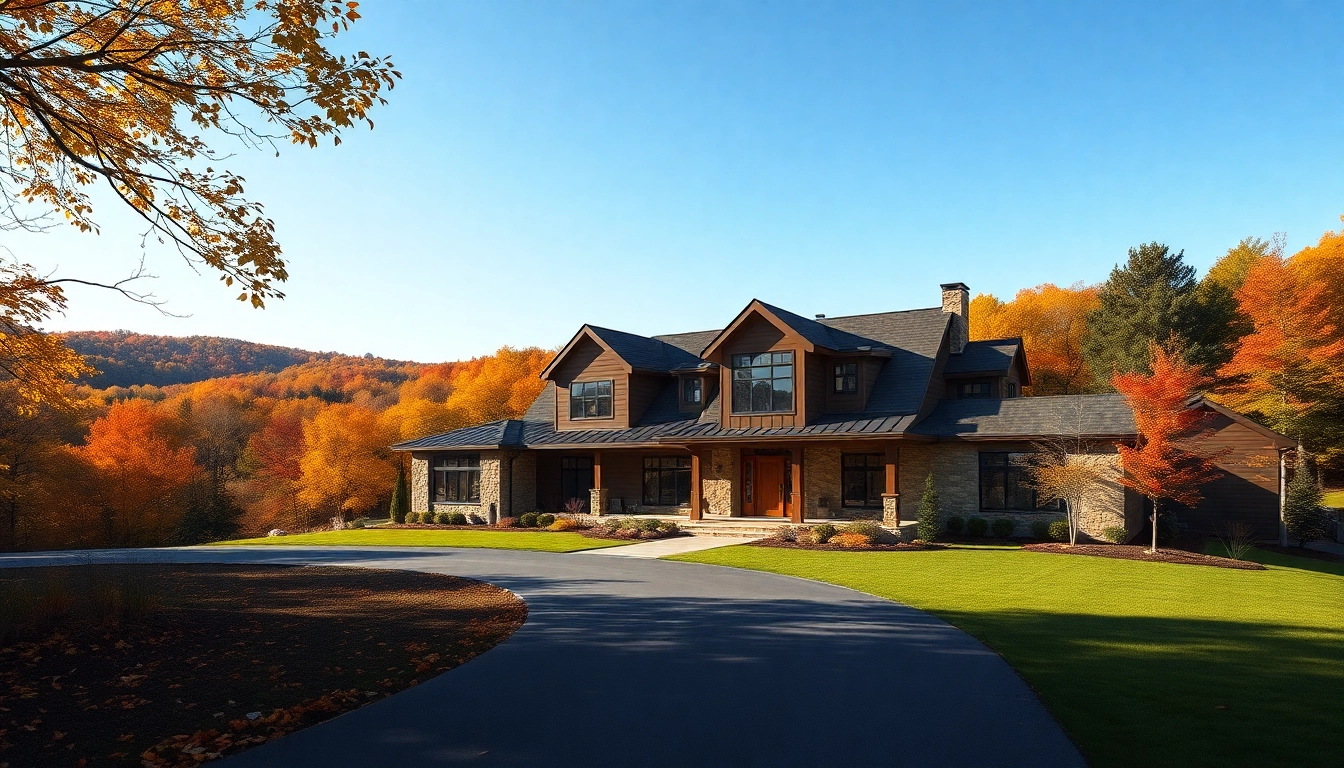
Successful residential architecture in New England often involves harmonizing the home with its natural surroundings. Architects consider the land’s topography, orientation, and existing flora to create structures that complement the landscape. Homes that are designed with strategic site placement can maximize scenic views and use natural light effectively, resulting in more serene living spaces.
Respecting Local Climatic Conditions
New England experiences seasonal variations ranging from harsh winters to humid summers. A skilled architect designs homes that withstand these conditions. This includes proper insulation, strategic window placement, and the use of durable materials that can endure weather fluctuations. For instance, using overhangs can provide shade during the summer while allowing sunlight to warm interiors in winter.
Using Natural Materials Effectively
Incorporating local materials into home design not only bolsters the structure’s resilience but also fosters a connection to the region. From timber framing sourced from nearby forests to stone harvested from local quarries, utilizing natural materials supports sustainability and enriches the aesthetic appeal of the home. Moreover, natural materials often age gracefully, adding to the home’s character over time.
Popular Architectural Styles in New England
Colonial and Cape Cod Homes
New England’s architectural heritage is prominently showcased in Colonial and Cape Cod homes. Colonial architecture, characterized by symmetry and classical proportions, reflects the historical significance of the region. Cape Cod homes, with their steep roofs and dormer windows, echo the simplicity and practicality necessary for coastal living. Architects often incorporate elements of these styles into modern interpretations, respecting history while catering to contemporary needs.
Modern Trends in New England Architecture
While traditional styles dominate, there is a growing trend towards modern architecture in New England. This is often characterized by open floor plans, extensive use of glass, and an emphasis on minimalism. Architects are increasingly exploring sustainable building practices that integrate modern technology, such as energy-efficient systems and smart home features, all while maintaining elements that pay homage to the area’s heritage.
Preserving Historical Elements
As cities and towns undergo development, the preservation of historical architecture becomes a priority. A New England residential architect often integrates historical elements into new construction, ensuring that the charm of the past persists. This could mean restoring original facades, reusing historical materials, or designing new structures that complement existing historical buildings. This approach not only honors the architecture of the past but also enriches the community’s cultural landscape.
Working with a New England Residential Architect
Initial Consultation and Planning
The journey begins with an initial consultation, where clients discuss their ideas, desires, and needs with the architect. This meeting sets the foundation for the project, allowing architects to gather critical information regarding the scope, budget, and timeline. It’s essential for both parties to evaluate the feasibility of the project based on the client’s expectations and the site specifics.
Budgeting and Project Management
Effective budgeting is crucial in residential architecture. An architect provides clients with a realistic budget estimate based on the design, materials, and site conditions. Throughout the construction process, they manage costs and address any financial concerns. Transparency is key; architects keep clients informed about expenditures to help build trust during the project lifecycle.
Communication During Construction
Open communication fosters a successful relationship between the architect and clients during construction. Regular updates, site visits, and proactive problem-solving ensure that the project aligns with the original vision. An architect facilitates discussions among contractors, clients, and other stakeholders to address challenges and make informed decisions that impact the project’s outcome.
Frequently Asked Questions about New England Residential Architects
What is the cost of hiring a New England residential architect?
Costs vary notably based on project complexity and architect experience. Typically, architects may charge a flat fee, hourly rates, or a percentage of the total construction costs. It’s advisable to discuss fees during the initial consultation.
How long does the design process take?
The design process can range from a few weeks to several months, depending on the project’s scale and complexity. Complexity can arise from the customization levels, site characteristics, and regulatory approvals required.
Can a residential architect help with remodeling?
Yes, residential architects excel in remodeling projects, helping homeowners breathe new life into existing spaces. They can design layouts that optimize space while respecting the original structure’s integrity and character.
What styles can a New England residential architect design?
Architects in New England are skilled in various styles, from traditional Colonial and Cape Cod homes to modern and contemporary designs. They can customize any style to suit individual needs and preferences while complying with local regulations.
How do I find the right architect for my project?
Finding the right architect involves researching local professionals, checking portfolios, and seeking recommendations. It’s essential to assess their experience with similar projects and ensure their design philosophy aligns with your vision.