Understanding Structural Steel Construction
Structural steel construction is a modern building method that utilizes steel as a primary component in various structures, providing strength, durability, and flexibility. As urbanization and infrastructure development continue to rise globally, understanding this construction method becomes essential for architects, engineers, and builders alike. The structural steel construction process plays a critical role in the stability and integrity of numerous types of buildings, allowing for innovative design and efficient material usage.
Definition and Importance of Structural Steel
At its core, structural steel is a category of steel used for making construction materials in a variety of shapes. It is composed of various alloys to enhance its tensile strength and ductility. Structural steel has become the backbone of contemporary architecture due to its unique properties, which include remarkable strength-to-weight ratio, resistance to natural disasters, and recyclability.
The importance of structural steel lies in its application across multiple domains. From skyscrapers to bridges, stadiums, and industrial warehouses, structural steel is pivotal in supporting heavy loads while maintaining structural integrity. Its ability to withstand harsh weather and seismic activity enhances the safety of buildings, making it an indispensable choice in regions prone to such challenges.
Common Applications in Modern Building
Structural steel is utilized in a wide range of building applications. Some common uses include:
- High-rise Buildings: The strength of structural steel makes it ideal for creating tall structures that require a robust framework to support their weight.
- Bridges: With its durability and flexibility, structural steel is extensively used to support bridges that can endure heavy traffic loads and adverse weather conditions.
- Industrial Facilities: Factories and warehouses benefit from large open floor plans that structural steel can provide, allowing for flexible usage of space.
- Sports Facilities: Stadiums and arenas utilize structural steel to create large, open viewing areas, providing unobstructed sightlines for spectators.
Key Benefits Compared to Other Materials
When compared to traditional building materials like wood or concrete, structural steel offers several advantages:
- Durability: Compared to wood, which can be susceptible to rot and pests, structural steel remains resilient over time, requiring less frequent replacement.
- Speed of Construction: Structural steel components are often pre-fabricated, allowing for quick assembly on-site, significantly reducing construction timelines.
- Design Flexibility: Steel can be molded into various shapes and sizes, enabling architects to create innovative designs not possible with other materials.
- Cost-Effectiveness: While the initial investment may be higher, the longevity and minimal maintenance of structural steel often result in lower lifetime costs.
Essential Components of Structural Steel Construction
Types of Structural Steel and Their Properties
Understanding the various types of structural steel is critical for selecting the right material for a specific project. Common types include:
- Carbon Steel: Known for its strength, carbon steel is widely used in construction due to its affordable cost and availability.
- Alloy Steel: This type contains additional elements, enhancing its properties, such as corrosion resistance and toughness, making it suitable for challenging environments.
- Stainless Steel: Often employed in high-end applications, stainless steel’s corrosion-resistant properties make it ideal for environments exposed to moisture and chemicals.
- Structural Steel Shapes: Steel can be manufactured into various shapes – like I-beams, C-channels, and square tubes – each tailored for specific load-bearing requirements.
Standard Design Elements in Construction
There are several standard design elements that any structural steel construction project must include:
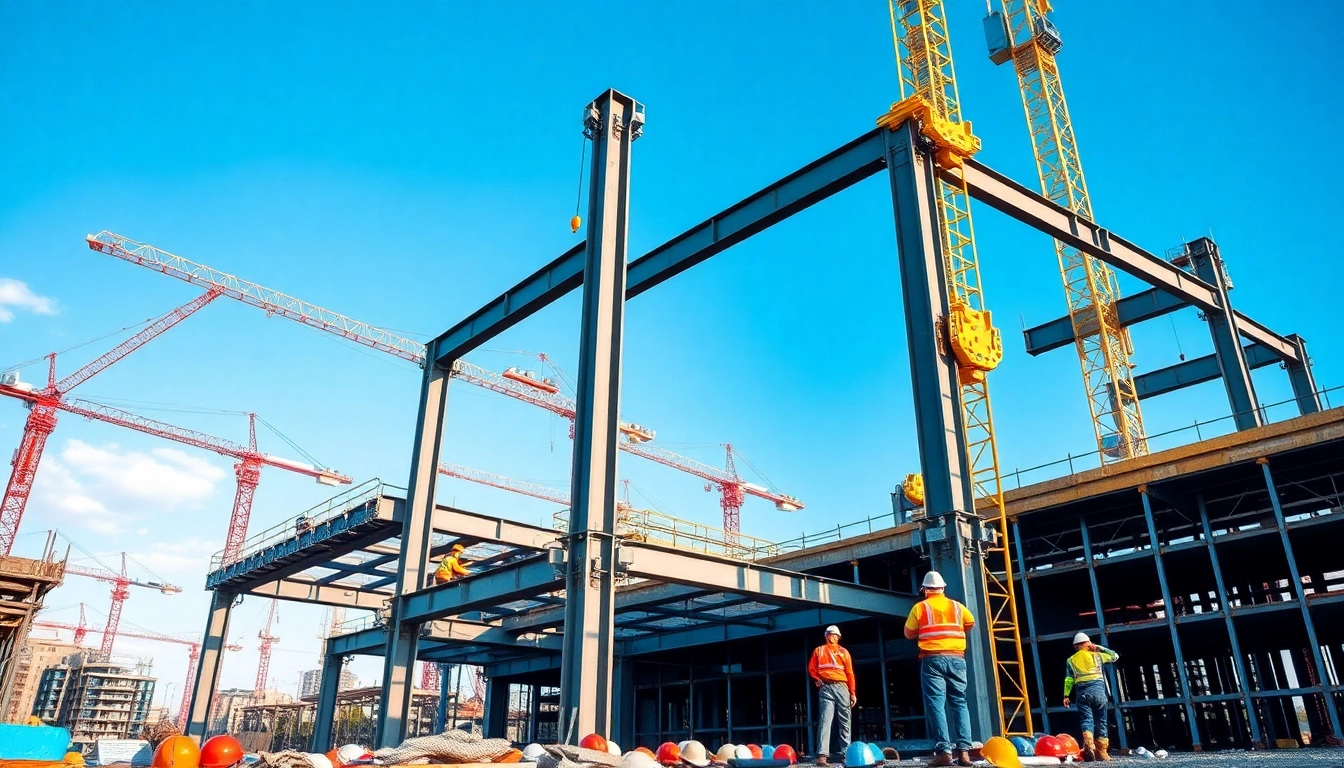
- Beams: Horizontal elements that support loads, beams transfer weight to vertical elements like columns.
- Columns: Vertical members that bear the load of beams and distribute it to the foundation.
- Trusses: Triangular frameworks that provide stable support through tension and compression forces.
- Bracing: Reinforcements that improve stability, especially in areas prone to lateral forces, such as wind or earthquakes.
Tools and Equipment for Effective Assembly
Effective assembly of structural steel requires a wide range of tools and equipment. Key items include:
- Welding Equipment: Essential for joining steel components, varying types of welding machines cater to different project needs.
- Cranes: Often used for lifting heavy steel pieces into place, cranes can be specialized for specific tasks depending on the size and weight of the materials.
- Cutting Tools: Equipment such as plasma cutters or saws is crucial for cutting steel to the required dimensions.
- Measuring Instruments: Accurate measurements are vital; tools like laser levels and measuring tapes ensure components fit together correctly.
Planning Your Structural Steel Construction Project
Initial Considerations and Site Assessment
Before beginning a structural steel construction project, conducting a thorough site assessment is essential. This includes evaluating soil conditions, environmental factors, and local regulations that may impact construction.
Consideration of zoning laws and building codes plays a significant role in the planning phase. Engaging with local authorities at this stage can help identify any restrictions or guidelines specific to structural steel construction.
Design and Engineering Collaboration
Successful structural steel construction hinges on collaboration between designers, architects, and engineers. During this phase, various design elements are discussed, ensuring that the structural integrity of the project aligns with the aesthetic and functional needs.
Utilizing Building Information Modeling (BIM) technology allows teams to create a digital representation of the project, enhancing communication and minimizing errors during the construction phase.
Budgeting and Financial Planning
Budgeting for a structural steel construction project involves more than just calculating material costs. It requires a comprehensive understanding of labor, equipment rental, and unforeseen expenses that may arise during the build. Organizations should allocate funds for unexpected challenges, such as delays caused by weather or supply chain disruptions.
Specifying clear financial parameters and reviewing options with stakeholders can also foster a smoother financial planning process.
Implementing Structural Steel Construction Techniques
Step-by-Step Assembly Process
The assembly of structural steel is a systematic process that includes several critical steps:
- Site Preparation: Ensuring the site is ready for construction, including clearing the area and preparing the foundation.
- Fabrication: Pre-fabricating steel components in a controlled environment where precision can be maintained.
- Delivery: Transporting steel parts to the construction site, scheduling delivery to optimize site efficiency.
- Assembly: Using cranes and other equipment, steel elements are erected and connected per the design specifications.
- Final Inspection: Conducting thorough inspections to verify that assembly aligns with safety regulations and structural standards.
Safety Measures and Compliance Regulations
Safety is paramount during any construction project, with a specific focus on structuring steel buildings. Adhering to OSHA regulations, providing protective equipment, and ensuring that workers are trained in safe practices are essential components of a successful project.
Moreover, compliance with national and local codes not only ensures worker safety but also protects the integrity of the building and mitigates legal liabilities associated with construction projects.
Quality Control and Inspections
Quality control in structural steel construction is vital to guarantee longevity and performance. Regular inspections during fabrication and after assembly can identify issues early, preventing costly repairs down the line. Utilizing non-destructive testing methods, like ultrasonic or radiographic testing, can help detect manufacturing defects without compromising the integrity of the structure.
Evaluating Performance and Longevity of Structural Steel Construction
Performance Metrics and Monitoring
Evaluating the performance of a structural steel building involves the ongoing monitoring of various metrics, including load-bearing capacity, deflection, and vibration analysis. Performance monitoring systems equipped with sensors can provide real-time data, helping building managers respond proactively to any issues that may arise.
Maintenance Best Practices for Longevity
To ensure the longevity of structural steel structures, regular maintenance is critical. Key practices include:
- Corrosion Protection: Implementing protective coatings and regularly inspecting these areas for wear and damage helps mitigate corrosion.
- Joint Maintenance: Ensuring that bolted or welded joints are maintained and monitored can prevent unexpected failures.
- Regular Inspections: Scheduling periodic inspections to evaluate the condition of the structure allows for timely repairs and adjustments.
Case Studies: Successful Projects and Lessons Learned
Reviewing successful structural steel construction projects can provide valuable insights. For instance, a notable skyscraper in an urban area showcased the importance of efficient steel fabrication and assembly techniques while overcoming logistical challenges associated with limited space and heavy traffic.
Such case studies often highlight the necessity for communication among architects, engineers, and contractors to ensure that projects meet both aesthetic and structural requirements. Additionally, they can illustrate innovative solutions implemented to tackle design challenges and environmental considerations.