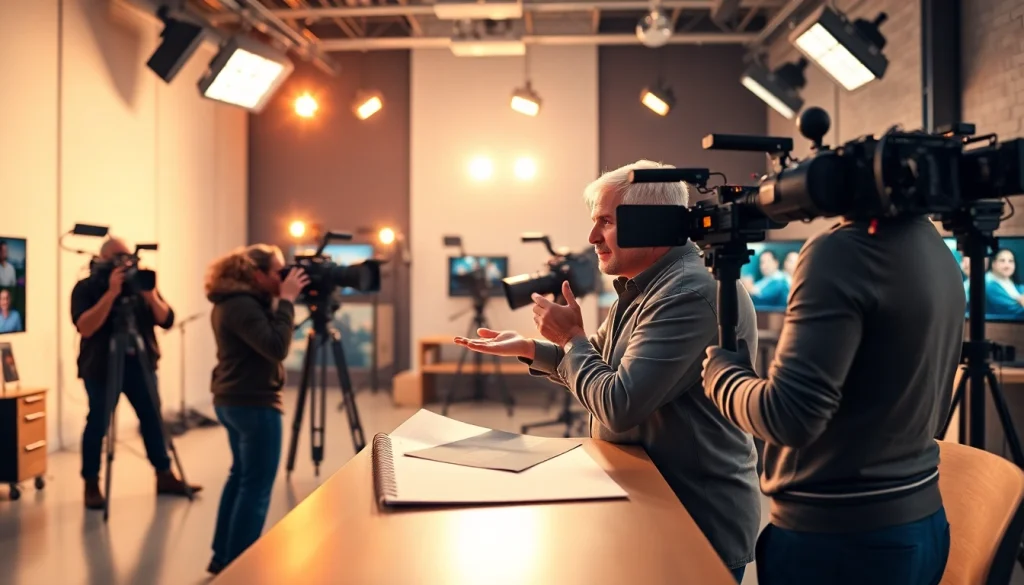
Understanding Corporate Video Production
In the dynamic world of business communication, Corporate Video Production has emerged as a potent tool for organizations to convey their messages effectively. As consumer attention spans shorten and competition intensifies, companies increasingly rely on corporate videos to engage and inform their audiences. This article delves into the nuances of corporate video production, its types, the significance of targeting specific audiences, planning, executing, adhering to best practices, and ultimately measuring success in this critical area of business strategy.
Definition and Importance of Corporate Video Production
Corporate video production refers to the process of creating video content to convey internal or external messages that support business objectives. Unlike other forms of video, corporate videos serve specific purposes such as promoting a brand, educating employees, or showcasing products and services. These videos can draw from various formats, including promotional clips, training materials, or company culture demonstrations.
The importance of corporate video production cannot be overstated. In an era where visual content dominates, videos allow companies to communicate complex information succinctly and engagingly. They enhance brand visibility and can significantly impact conversions, making them an integral part of modern marketing and communication strategies.
Types of Corporate Videos
Understanding the different types of corporate videos and their unique applications is vital for any business looking to leverage this medium effectively.
- Promotional Videos: These are designed to market products or services, showcasing benefits and persuading potential customers to take action.
- Internal Training Videos: Developed to facilitate employee training, these videos can help improve skills and compliance within the organization.
- Company Culture Videos: Aimed at projecting the company ethos, these videos help to attract talent and improve employee engagement.
- Testimonial Videos: These feature satisfied customers or clients sharing their experiences, serving as social proof for potential buyers.
- Event Coverage Videos: These highlight corporate events, seminars, or conferences, providing a recap and extending the engagement beyond physical attendance.
Target Audience in Corporate Video Production
Identifying and understanding the target audience is essential for effective corporate video production. The audience’s demographics, preferences, and pain points dictate the video’s tone, content, and style. Tailoring videos to specific segments—such as potential clients, employees, or partners—ensures the message resonates and achieves the intended effect. Researching audience behavior through analytics tools can provide valuable insights to refine video content further.
Planning Your Corporate Video Production
A successful corporate video begins with careful planning. Strategic foresight can spell the difference between a lackluster production and a compelling, impactful message.
Setting Objectives for Your Corporate Video
Before the production begins, it’s critical to set clear, measurable objectives. Questions to consider include: What message do you want to convey? Who do you want to reach? What action should viewers take after watching the video? Objectives will guide the creative process and ensure that the final product serves a specific purpose.
Writing a Compelling Script
The script is the backbone of any corporate video. Crafting a compelling narrative involves more than just relaying information—it requires engaging storytelling. Start with a hook that captures attention, followed by a clear structure that leads to your message’s climax. Focus on benefits rather than features, and always end with a strong call to action that prompts viewers to take the desired step.
Choosing the Right Format for Your Audience
The format of the video must align with the audience’s preferences. Consider utilizing animations for complex topics, while live-action videos may be more effective for personal storytelling or brand promotion. Analyzing the content consumption habits of your target audience can help you decide on the best format to use.
Executing the Production Process
With the planning phase complete, it’s time to dive into the production process. This stage includes several critical elements that can greatly influence the success of the final video.
Pre-Production Essentials
Pre-production is a crucial phase that lays the groundwork for a successful video shoot. Activities during this phase include assembling the right team, scouting locations, creating storyboards, conducting rehearsals, and finalizing logistics. Each of these steps ensures that everyone is prepared and that potential obstacles are addressed beforehand.
Filming Techniques for Corporate Videos
The filming stage is where the creative vision comes to life. Techniques vary widely depending on the format but may include multi-camera setups for interviews, aerial shots for dramatic visuals, or green screens for added effects. Proper lighting, sound recording, and shot composition are essential for achieving high-quality results. Enlisting experienced crew members can help elevating the production value significantly.
Finalizing Post-Production Work
Post-production is where editing shapes the video into its final form. This stage involves cutting unnecessary footage, adding graphics, inserting soundtracks, and color correction. Effective post-production enhances the viewer’s experience and can make even the simplest videos look professional. Adequate attention during this phase ensures the video aligns closely with the initial objectives.
Best Practices in Corporate Video Production
To maximize the effectiveness of corporate video production, adhering to best practices is essential. These guidelines help maintain quality and ensure that the video resonates with the intended audience.
Staying on Brand with Your Video Content
Videos should embody your brand’s voice, tone, and visual identity. Consistency cultivates familiarity and trust among viewers, reinforcing brand recognition. Elements such as colors, fonts, and logos should remain consistent across all corporate videos to strengthen your overall marketing message.
Utilizing Feedback to Improve Video Quality
After a video is produced, gathering feedback from stakeholders is vital. Constructive criticism can highlight areas for improvement and enhance the quality of future productions. Conducting surveys or focus groups to gauge audience reactions can provide valuable insights that help refine video content and presentation styles.
Integrating Call to Actions Effectively
Every corporate video should elicit a specific response. Integrating calls to action (CTAs) at strategic points encourages viewers to take the desired action, whether it’s visiting a website, signing up for a newsletter, or contacting a sales representative. Effective CTAs are clear, concise, and provide a compelling reason for the viewer to act immediately.
Measuring Success of Corporate Video Production
The effectiveness of corporate videos is gauged through specific metrics and key performance indicators (KPIs). Knowing how to analyze these aspects is crucial for continually enhancing your video strategy.
Key Performance Indicators for Video Engagement
Metrics like view count, completion rate, and engagement level provide insights into how well a video resonates with its audience. Other KPIs, such as click-through rate (CTR) and conversion rate, indicate the effectiveness of the video in driving desired actions. Understanding these metrics enables businesses to adapt and improve their video strategy accordingly.
Analyzing Viewer Feedback and Metrics
Viewer feedback plays a vital role in understanding audience perception. Social media engagement, comments, and shares offer qualitative data that complements quantitative metrics. Regularly analyzing both forms of feedback allows businesses to adjust their approach, ensuring future videos better meet audience expectations and preferences.
Continuous Improvement in Video Strategy
Corporate video production is an evolving process. Continuously refining video strategies based on performance metrics and audience feedback yields improved outcomes over time. Establishing a cycle of evaluation, adaptation, and growth paves the way for the production of high-impact corporate videos that drive business success.