
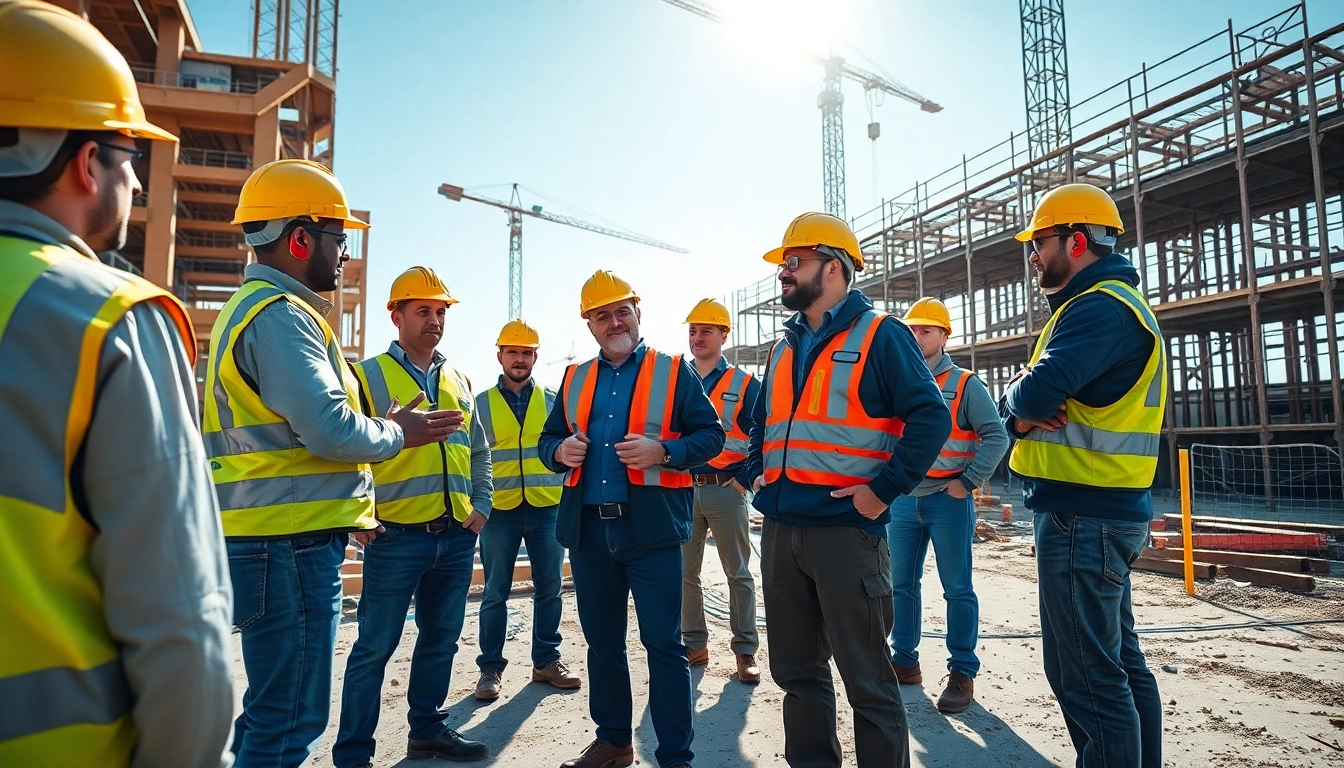
Understanding Construction Safety Training
Definition and Importance of Construction Safety Training
Construction safety training is a structured approach for preparing workers in the construction sector to recognize, prevent, and effectively manage workplace hazards. It encompasses a range of procedures, regulations, and best practices with the primary goal of ensuring the safety and health of all personnel. The importance of construction safety training cannot be overstated, as the construction industry is frequently fraught with risks, including falls, electrocutions, and equipment-related injuries. By providing thorough safety training, employers can significantly reduce these risks and foster a culture of safety that is vital to the well-being of their workforce.
Key Components of Effective Programs
Effective construction safety training programs typically include a few key components:
- Assessment of Training Needs: Identifying specific safety risks related to the construction site and the materials involved.
- Well-Structured Curriculum: A comprehensive and coherent curriculum tailored to meet regulatory requirements and the unique demands of each construction project.
- Hands-On Training: Practical demonstrations and simulations that allow workers to apply safety protocols and techniques in a controlled environment.
- Regular Updates: Continuous updates to training materials and methods to reflect changes in regulations, technologies, and best practices.
- Certifications and Documentations: Providing certifications upon completion, which can be an essential criterion for hiring and compliance purposes.
Legal Regulations and Compliance Requirements
Compliance with legal regulations is an integral part of any construction safety training program. The Occupational Safety and Health Administration (OSHA) outlines numerous standards that construction companies must follow to ensure workplace safety. Employers are obligated to conduct regular safety audits, implement safety protocols, and provide necessary training to employees. Noncompliance can lead to significant financial consequences, project delays, and even cessation of operations.
Common Hazards in Construction Sites
Identifying Common Risks in Construction
Common hazards present on construction sites include:
- Falls: The leading cause of fatalities in the industry, often occurring from heights or through unguarded edges.
- Electrical Hazards: Injuries caused by exposed wiring, improper use of extension cords, or poorly maintained electrical settings.
- Struck-By Incidents: Situations where workers are struck by equipment, materials, or vehicles.
- Caught-In/Between Hazards: Injuries arising when a worker is caught in or compressed by machinery or materials.
- Health Hazards: These include exposure to harmful substances, excessive noise, and ergonomic hazards.
Impact of Hazards on Worker Safety
The impact of these hazards on worker safety can be severe, resulting in serious injuries or fatalities. Even minor incidents can lead to significant downtime and increased insurance costs. Furthermore, a culture of unsafe practices often leads to low morale among workers, which can affect productivity and job satisfaction. Therefore, understanding and mitigating these risks through proper training ensures not only compliance but also a safer work environment.
Developing Hazard Awareness Among Workers
To cultivate a safety-centric culture, it is essential to develop hazard awareness among workers. This can be achieved through:
- Safety Meetings: Regular meetings to discuss recent incidents, safety topics, and protocols.
- Visible Signage: Installing clear and concise safety signs around the construction site to remind workers of potential hazards.
- Peer Training: Encouraging experienced workers to mentor newer employees on recognizing and responding to hazards.
Best Practices for Implementing Construction Safety Training
Creating an Engaging Learning Environment
Creating an engaging learning environment is crucial to the success of construction safety training programs. Utilizing interactive teaching methods, such as role-plays, group discussions, and real-life scenarios, can enhance knowledge retention. Training should be inclusive and varied, appealing to different learning styles and accommodating various language needs and literacy levels among workers.
Utilizing Technology in Training Sessions
Technology offers innovative solutions to improve construction safety training. Virtual reality (VR) simulations, for example, allow workers to experience various hazards in a safe setting. E-learning platforms can enable workers to access training modules at their convenience, ensuring that they can learn at their own pace. Moreover, leveraging mobile applications for safety audits and incident reporting can streamline communication and enhance accountability on construction sites.
Feedback and Continuous Improvement Strategies
The efficacy of construction safety training can be amplified through feedback and continuous improvement strategies. Trainers should regularly solicit input from participants regarding the training content, methods, and overall experience. Conducting surveys at the end of each training session can uncover areas for enhancement. In addition, adapting the training content based on incident reports and emerging trends is essential for maintaining relevance.
Evaluating the Effectiveness of Construction Safety Training
Setting Measurable Objectives
To evaluate the success of safety training initiatives, establishing measurable objectives is essential. Specific goals, such as reducing the number of incidents or increasing safety protocol compliance rates, can help organizations track progress effectively. Using Key Performance Indicators (KPIs) like lost time injury frequency rates (LTIFR) and training completion ratios enables companies to quantify their safety training impact directly.
Assessing Knowledge Retention and Skill Application
Implementing assessments, such as quizzes and practical examinations post-training, aids in evaluating knowledge retention and skill application. Observation during work processes can also help gauge how well workers apply learned safety protocols on-site. Regular, refresher training sessions should be instituted to ensure that workers remain knowledgeable and compliant with safety standards and practices.
Reporting and Analyzing Safety Outcomes
Tracking and analyzing safety outcomes is a vital step in determining the effectiveness of a construction safety training program. Regular safety audits, coupled with data analysis of incidents and near misses, provide insights into whether training objectives are being met. This analysis can identify pattern trends, allowing for targeted revisions in training methods or content to enhance safety measures.
Future Trends in Construction Safety Training
Innovative Training Methods and Technologies
As construction continues to embrace high-tech solutions, innovative training methods are emerging. Augmented reality (AR) can overlay safety information onto real-world environments, providing workers with real-time guidance. Moreover, artificial intelligence (AI) can analyze safety data and predict potential hazards before they occur, allowing for proactive safety training and processes.
The Evolving Role of Safety Culture
The role of safety culture in organizations will continue to evolve, as leaders recognize its intrinsic value. Companies are placing greater emphasis on engaging employees at all levels in safety discussions, thus fostering a collaborative approach to hazard identification and mitigation. Encouraging open lines of communication about safety concerns will lead to a more proactive rather than reactive safety culture.
Industry Predictions and Adaptations
Looking ahead, training programs are predicted to integrate more hands-on experiences and real-world applications, reflecting the complexities of modern construction sites. As regulations evolve and new technologies emerge, continuous adaptation of safety training programs will be crucial for maintaining compliance and optimizing worker safety.