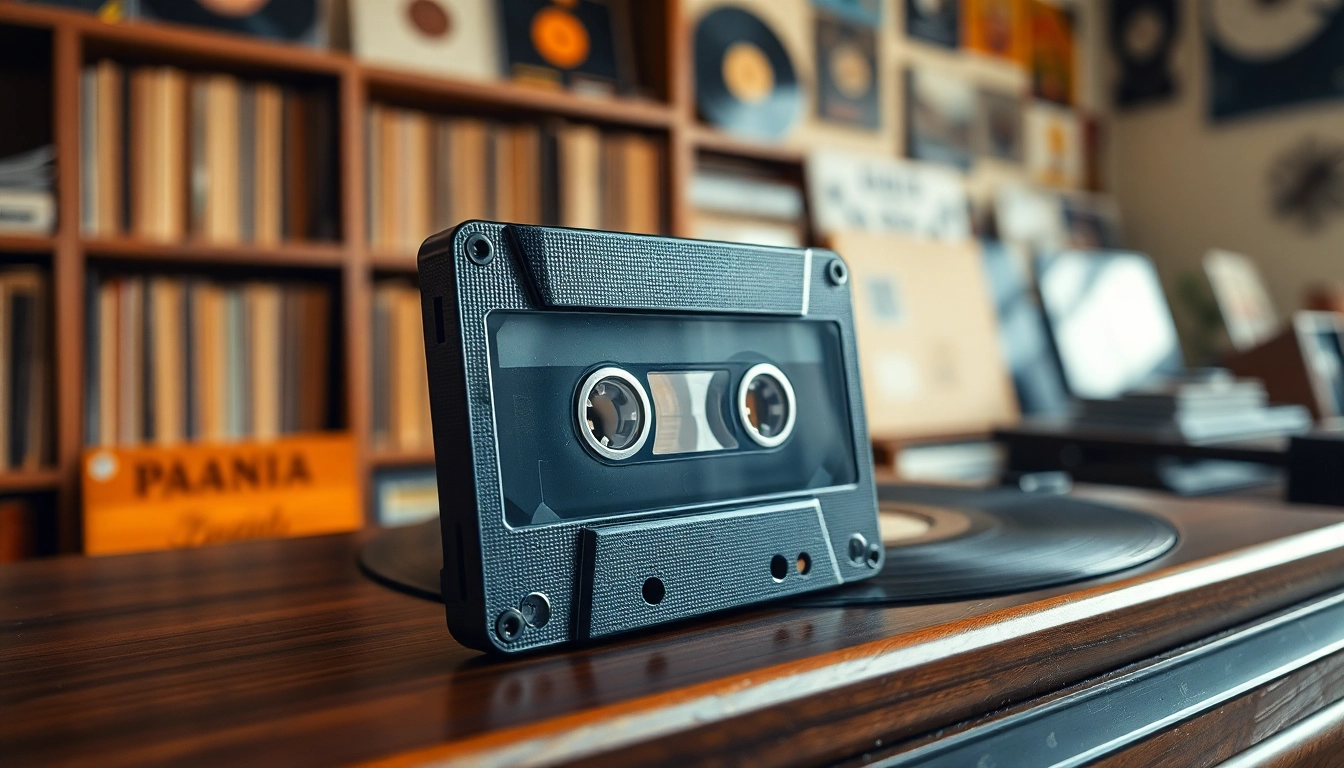
The History of the Audio Cassette
Origins and Development of the Audio Cassette
The audio cassette, often referred to as the Compact Cassette, was firstly developed in the early 1960s by the Dutch company Philips. The invention was intended to create a portable audio storage medium that allowed users to easily record and play back music. This remarkable format consisted of two miniature reels inside a protective plastic shell, facilitating the storage of audio on a magnetic tape. By the mid-1970s, the audio cassette gained widespread popularity, swiftly capturing the market and becoming a significant part of music culture.
Evolution Through the Decades
The audio cassette underwent significant enhancements throughout the decades, reflecting technological advances and shifts in consumer preferences. During the 1970s, it was primarily used for music, enabling listeners to create mixtapes and share music collections easily. The 1980s saw the emergence of the Walkman, a groundbreaking portable cassette player, transforming how people consumed music on the go.
As the 1990s approached, the audio cassette faced fierce competition from CDs, which provided better sound quality and durability. However, it still maintained a loyal fan base, particularly among those who appreciated the warmth and character of analog sound. The late 1990s and early 2000s began a decline in cassette production as digital formats gained dominance, but a niche market for cassettes persisted amongst collectors and audiophiles.
Impact on Music Distribution
The audio cassette fundamentally changed the landscape of music distribution. It democratized music access, allowing individuals to record songs from the radio or albums, thereby sharing music among friends like never before. This unique ability fostered a culture of sharing and creativity within the music scene, contributing to the rise of underground and independent artists.
Moreover, recording capabilities led to the birth of new genres and styles, with artists experimenting with sounds in ways that weren't achievable using other mediums. The ability to create mixtapes allowed for personalized, unique compilations that reflected personal taste and shared musical journeys.
Internal Mechanisms of the Audio Cassette
How Audio Cassettes Work
Understanding the mechanics of the audio cassette starts with knowledge of magnetic tape technology. The core idea is based on magnetism and how it can be used to record audio signals. The audio cassette is composed of magnetic tape which is coated with a ferromagnetic material. As the tape moves past the read/write head in a cassette player, audio signals are magnetized onto the tape.
This mechanism allows for both playback and recording. When an audio signal passes through the read head, it induces a magnetic field that interacts with the tape, converting these signals back into sound waves.
Components of an Audio Cassette
The audio cassette consists of several key components that help facilitate its function:
- Cassette Shell: The protective plastic outer layer that houses the tape and prevents it from damage.
- Magnetic Tape: The actual recording medium that stores audio through magnetic patterns.
- Spindle and Reels: The mechanism for wind and unwind of the magnetic tape.
- Write/Read Head: The part that interacts with the magnetic tape to record and play audio.
- Pressure Pad: Ensures that the tape maintains contact with the read/write head.
Common Problems and Maintenance Tips
Despite their nostalgic charm, audio cassettes are not without their problems. Common issues include tape jams, excess noise, and degradation of audio quality over time. Here are some tips to ensure your cassette collection remains in good condition:
- Store cassettes away from heat and magnetic fields to prevent damage.
- Regularly clean the tape player heads to ensure optimal sound quality.
- Rewind and fast-forward tapes periodically to avoid demagnetization.
- Use blank tapes with high-quality magnetic coatings to reduce noise and extend lifespan.
The Audio Cassette in Modern Times
Resurgence in Popularity
In recent years, the audio cassette has seen a resurgence in popularity, especially among younger generations who are discovering its unique qualities. This revival can be attributed to the growing trend of nostalgia, a desire for analog experiences, and the thriving independent music scene that embraces diverse listening formats.
Record labels are increasingly producing music on cassette, often leveraging the medium’s appeal as a collector's item. Limited editions, colored tapes, and unique packaging contribute to the growing demand for new cassette releases.
Comparing Audio Cassette to Other Formats
When contrasting the audio cassette with other formats, such as vinyl records and digital audio files, it becomes clear that each format offers distinct listening experiences. Vinyl records provide rich, full sound and artifacts that many audiophiles cherish; however, they come with the challenge of being bulkier and less portable. Digital audio files, while highly convenient, often lack the tangibility and uniqueness that accompany physical formats.
The audio cassette occupies a unique space between these two formats, offering a nostalgic listening experience with an engaging physicality. The act of threading a cassette into a player, pressing play, and waiting for it to spool back offers a sense of connection that digital formats are unable to replicate.
New Innovations in Cassette Production
The resurgence of cassettes has led producers to innovate and improve cassette manufacturing techniques. New materials and methods are being explored, enhancing sound quality and durability. Additionally, cassette players are being retrofitted with modern features, such as Bluetooth compatibility, allowing listeners to enjoy physical tapes while syncing to recent technology.
The cross-generational appeal lies in the blend of the nostalgic format with modern technology, creating a renewed interest in collecting and listening to audio cassettes.
Collecting Audio Cassettes
What Makes an Audio Cassette Valuable?
Several factors contribute to the value of an audio cassette. First, rareness plays a critical role; limited editions, artist signatures, or unique releases often fetch higher prices in the collector market. Second, condition is paramount. Tapes in mint condition generally attract more buyers and higher prices.
Finally, the content itself can elevate a cassette’s value. Certain albums or performances, especially from renowned artists, are highly sought after, driving the value even further.
Tips for Starting a Collection
Beginning a collection of audio cassettes can be both exciting and rewarding. Here are some steps to help you get started:
- Decide on a focus theme, such as specific genres, eras, or artists.
- Visit local thrift stores, record shops, and online marketplaces to discover hidden gems.
- Connect with other collectors via forums and social media to share advice and insights.
- Attend record fairs and events to meet other enthusiasts and find unique cassettes.
Where to Find Rare Audio Cassettes
There are numerous avenues to explore when seeking rare audio cassettes. Online marketplaces, such as auction sites, offer vast selections, including both new and used cassettes. Specialized record stores often have sections dedicated to cassettes, where collectors can discover valuable finds. Additionally, estate sales, garage sales, and flea markets may yield unexpectedly rare tapes, making it worthwhile to explore these options.
The Future of the Audio Cassette
Predictions for the Audio Cassette Market
Looking ahead, the future of the audio cassette appears promising as collectors continue to gain interest. The reemergence of analog formats suggests that the cassette market will also thrive, driven by a combination of nostalgia and appreciation for vintage formats. Limited releases of cassette tapes by artists seeking to engage fans in novel ways are likely to proliferate as the market continues to grow.
Cultural Significance in a Digital Age
In an era where digital media dominates, the cultural significance of the audio cassette serves as a reminder of the humanity behind music. The tactile engagement associated with cassettes reinforces our connection to music and art. As more people become aware of the rich history and unique characteristics of the cassette, its role as a cultural artifact will undoubtedly continue to evolve.
Community and Events Surrounding Audio Cassettes
Lastly, the community surrounding the audio cassette is vibrant and active, with events dedicated to both listening and collecting. Pop-up events, cassette trade shows, and even themed parties foster connectivity among enthusiasts and new fans. These gatherings not only celebrate the history and innovation of the format but also reinforce its place in contemporary culture.