Understanding the Basics of Fly Fishing Combos
Fly fishing is an art that combines skill, patience, and the right equipment. One of the most essential pieces of gear an angler can have is a fly fishing combo. Knowing what makes up a good Fly fishing combo can improve your fishing experience and success rate. In this section, we will delve into what a fly fishing combo is, its components, and the benefits it brings to both novices and experienced anglers.
What is a Fly Fishing Combo?
A fly fishing combo typically refers to a package that combines essential gear needed for fly fishing, including a rod, reel, backing, line, and sometimes flies. This all-in-one approach simplifies the purchasing process, especially for beginners, as it provides everything needed to start fishing right out of the box. Fly fishing combos can vary significantly in terms of quality, price, and suitability for different types of fishing.
Components of a Fly Fishing Combo
To fully understand the appeal of fly fishing combos, let's break down their key components:
- Rod: The heart of the combo, rods come in various lengths and materials and are designed for specific types of fishing.
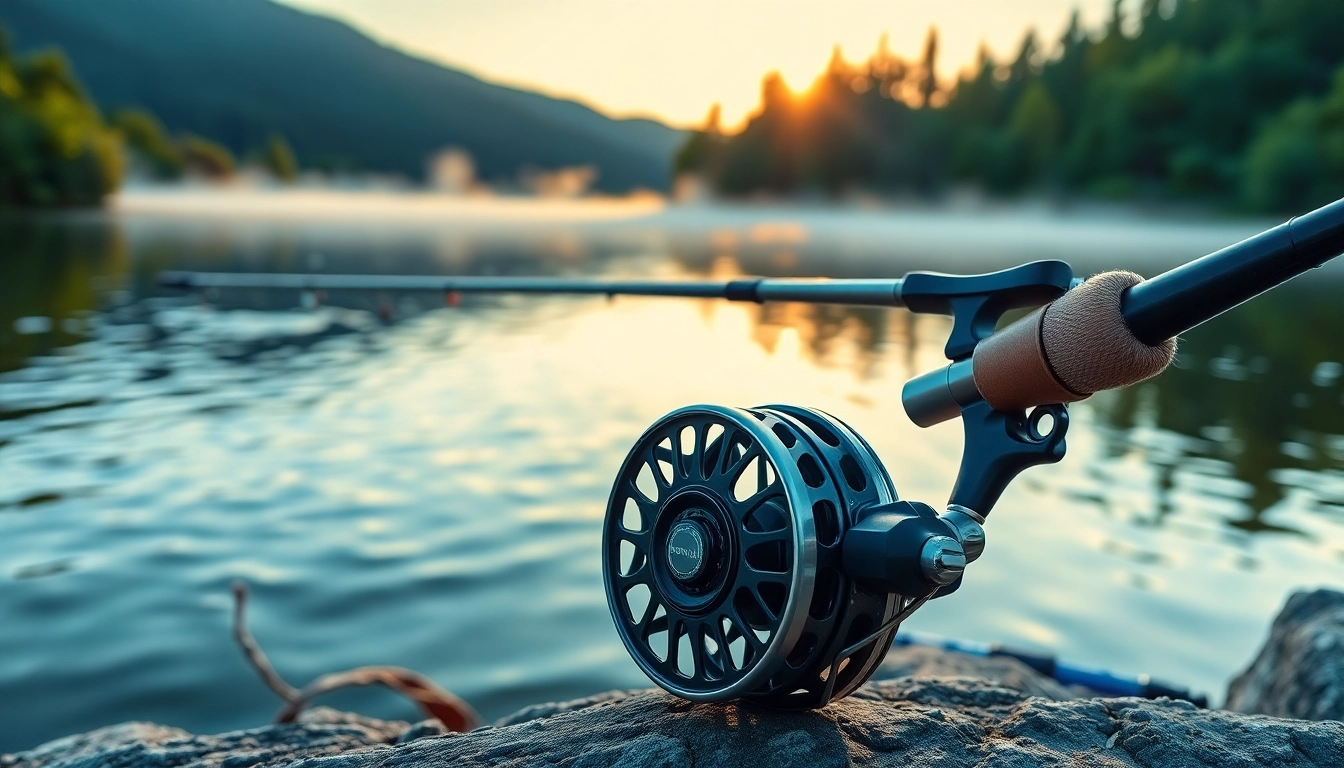
- Reel: The reel is where the line is stored and plays a crucial role in managing and controlling the fish once hooked.
- Backing: This is the line that sits on the reel beneath the fly line, providing extra length for larger fish.
- Fly Line: The fly line is heavier than standard fishing line and is designed to aid in casting the lightweight flies.
- Leader and Tippet: These are lighter lines that connect the fly to the main line, allowing for a more delicate presentation of the fly.
Benefits of Using a Combo
Using a fly fishing combo offers several advantages:
- Convenience: All necessary components come bundled, eliminating the guesswork from buying separate parts.
- Cost-Effective: Comparatively, combos often provide better value than purchasing items individually.
- Complementary Gear: Manufacturers ensure that each part is well-matched for compatibility, enhancing performance.
- Beginner-Friendly: Combos tailored for newcomers often come with instructional materials, guiding users through the learning curve.
Key Factors to Consider When Choosing a Fly Fishing Combo
Choosing the right fly fishing combo involves understanding personal preferences and practical needs. Here are key considerations for making an informed choice:
Skill Level and Expertise
Your expertise in fly fishing should dictate your choice of combo. Beginners benefit from easier-to-use rods and reels that enable smoother casts, while more advanced anglers might look for specialized gear that offers higher performance for specific types of fishing.
Types of Fish You Plan to Catch
Different species of fish may require using specific setups. If you aim to catch trout, for example, a 5-weight rod is often ideal. Conversely, for larger species like bass or saltwater fish, consider heavier rods that can handle more substantial lines and flies.
Budget Considerations
Setting a budget is crucial when selecting a fly fishing combo. Options can range from economical beginner kits to high-end professional setups. Aim for a balance between quality and price; it is possible to find reliable combos at various price points to fit your budget.
Top Features of a Quality Fly Fishing Combo
Understanding the features that contribute to a quality fly fishing combo can help you make a better choice. Here are some essential aspects to consider:
Rod Length and Material
The rod length typically ranges from 7 to 10 feet, and the material can be graphite, fiberglass, or bamboo. Graphite is preferred for its durability and sensitivity, while fiberglass offers excellent flexibility for beginners. The length and material should match your fishing style, with longer rods often providing better casting distance and accuracy.
Reel Type and Gear Ratio
Reels come in various styles, including click-and-pawl and disc drag. The gear ratio—a measure of how much line the reel retrieves with each turn—affects how quickly you can reel in a fish; higher ratios allow for faster reeling in. Choose a reel type and ratio that matches your fishing conditions and fish species.
Line Weight and Action
Line weight refers to the thickness of the fly line and is usually rated between 1 to 12, with 5 being the most common for general use. Additionally, the action of the rod can be slow, medium, or fast, affecting its flexibility and responsiveness. Faster action rods are better for experienced casters and can handle heavier flies more effectively, while slower actions are more forgiving for beginners.
Best Practices for Using Your Fly Fishing Combo
Once you have your fly fishing combo, understanding how to use and maintain it is crucial for enhancing your fishing experience and prolonging the lifespan of your gear.
Setting Up Your Gear
Proper setup involves assembling the rod, attaching the reel, threading the line through the guides, and tying on the leader and tippet. Make sure to check for twists or tangles in the line to ensure smooth casting. A well-set-up combo allows for effective performance on the water.
Maintenance and Care Tips
To maintain your fly fishing combo in good condition, regularly clean the rod and reel after each use, especially if fishing in saltwater. Ensure that the line is free of abrasions and replace it if necessary. Proper storage also helps in preserving the gear; always keep rods in protective cases and reels in a dry place.
Common Casting Techniques
Exercising proper casting techniques is vital for success. Start with the basic overhead cast, where you lift the rod behind you and forward to allow the line to shoot out. Practice makes perfect; try mimicking the motion of a pendulum to improve your rhythm and accuracy.
Frequently Asked Questions about Fly Fishing Combos
What should I consider when selecting a fly fishing combo?
Consider your skill level, the types of fish you're targeting, and your budget. Collectively, these elements will help determine the best combo for your needs.
How do I care for my fly fishing combo?
Regularly clean the rod and reel, store them properly, and check for wear on the line to maintain an optimal performance level.
What is the best line weight for a beginner's combo?
A 5-weight line is ideal for a variety of freshwater species, providing versatility as you learn different fishing techniques.
Can I use a fly fishing combo in saltwater?
Yes, you can use a fly fishing combo in saltwater, but ensure it is designed for such conditions to avoid damage from corrosion.
How much should I spend on my first fly fishing combo?
A budget of $150-$300 is generally recommended for quality entry-level fly fishing combos that will last and perform well.