Understanding Wood Slat Panels
What are Wood Slat Panels?
Wood slat panels are versatile architectural elements made from long, thin strips of wood. These panels can be utilized for various purposes, including wall coverings, ceilings, and furniture. They come in different widths, lengths, and finishes, leading to a multitude of design options. The contemporary aesthetic they provide can enhance both residential and commercial spaces, making them a popular choice among architects and interior designers. By integrating wood slat panels into designs, spaces can achieve an inviting, natural feel while maximizing functionality and style.
Benefits of Using Wood Slat Panels
Wood slat panels offer a range of benefits that make them appealing for various design projects:
- Aesthetic Appeal: The natural beauty of wood adds warmth and character to any space, making environments feel homely.
- Acoustic Properties: Many wood slat panels are designed to absorb sound, reducing noise levels in open spaces.
- Customization: Available in various wood types, colors, and finishes, these panels can be tailored to suit specific design needs.
- Easy Installation: Most wood slat panels come with straightforward installation guidelines, allowing for a relatively quick setup.
- Eco-Friendly Options: With increasing options for sustainable sourcing, wood slat panels can be guilt-free choices for the environmentally conscious.
Materials and Finishes
Wood slat panels can be crafted from numerous types of wood, each providing a distinct look and feel:
- Pine: Affordable and easy to work with, pine is a popular choice for many designs.
- Oak: Known for its strength and durability, oak offers a classic look and is suitable for both traditional and modern designs.
- An eco-friendly option, bamboo provides a unique visual aesthetic while maintaining durability.
- Walnut: With rich color and texture, walnut is often used for high-end applications.
Finishes range from natural stains to paints and protective coatings, each affecting the final look while improving the overall longevity of the panels.
Design Applications
Residential Use Cases
In residential settings, wood slat panels can be utilized in a myriad of ways, including:
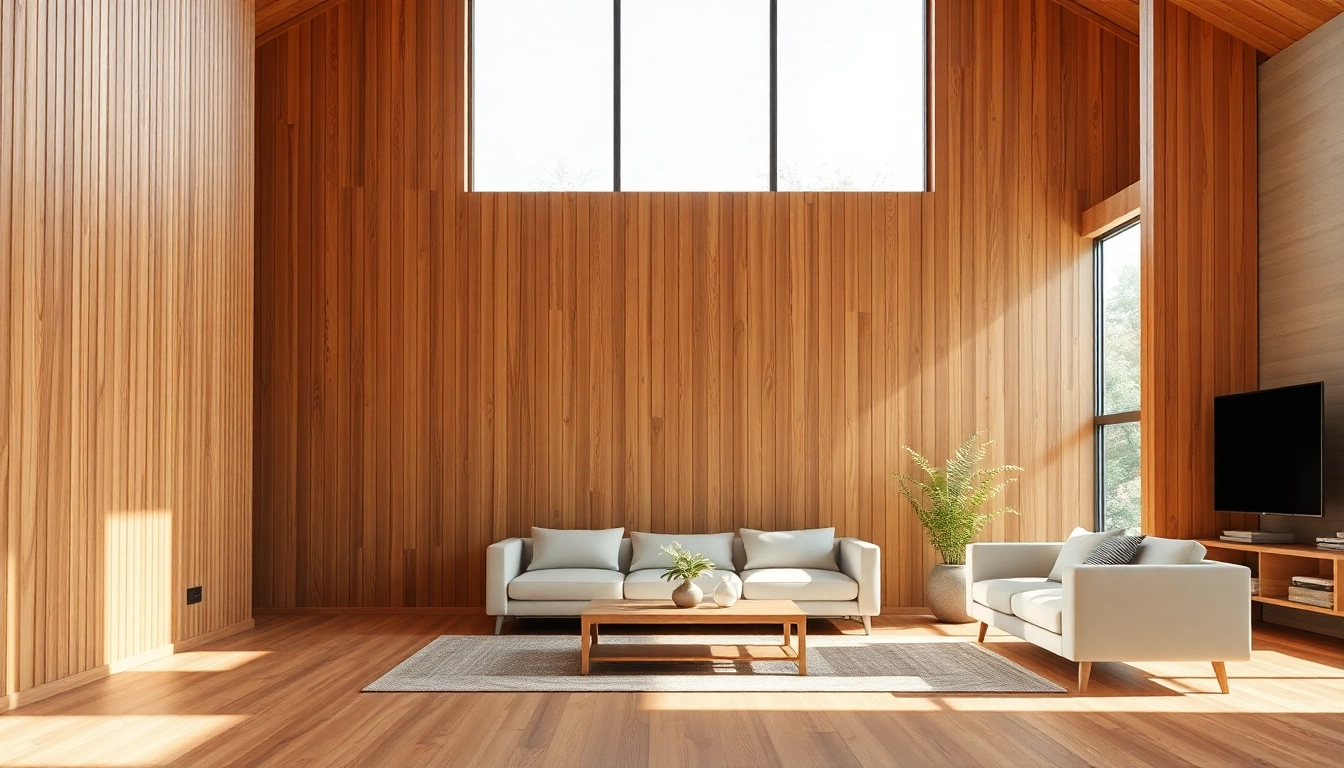
- Accent Walls: Feature walls made of wood slat panels can serve as bold focal points in living rooms and bedrooms.
- Ceiling Treatments: Applying slat panels to ceilings can create an illusion of height and draw the eye upward.
- Room Dividers: Slat panels can act as stylish dividers in open-concept homes, providing separation without complete enclosure.
Commercial Spaces with Wood Slat Panels
In commercial spaces, wood slat panels serve practical and aesthetic purposes. Common applications include:
- Retail Stores: Wood slat panels can enhance product displays and create inviting shopping environments.
- Office Spaces: Many modern workspaces use wood slats to enhance acoustics while adding a natural look to office design.
- Restaurants: Creating ambiance is essential in dining settings, and wood slat panels contribute to a warm, inviting atmosphere.
Outdoor Applications
Wood slat panels are not limited to indoor use. They can enhance outdoor spaces as well:
- Decking: Slat panels can be adapted for use as decking surfaces, providing an attractive and slip-resistant finish.
- Fencing: Utilizing wood slat panels for fencing offers privacy through a stylish, modern design.
- Pergolas and Shade Structures: Slats can be intricately arranged to create beautiful stringer effects for shading.
Installation and Maintenance
Preparation for Installation
Before installing wood slat panels, comprehensive preparation is essential for achieving the best results. Here are key steps to consider:
- Measurement: Accurately measure the area where panels will be installed to ensure a perfect fit.
- Material Selection: Choose appropriate wood types and finishes based on the intended use and environmental conditions.
- Tools and Supplies: Gather all necessary tools including a level, measuring tape, saw, and screws.
Step-by-Step Installation Guide
Installing wood slat panels entails several systematic steps:
- Mark the Layout: Use a pencil to mark where the panels will be placed on the wall or ceiling.
- Prepare the Surface: Ensure the surface is clean, dry, and primed if necessary.
- Cut Panels to Size: Use a saw to cut panels down to the required dimensions.
- Begin Installation: Start with the first slat, ensuring it is level, and secure it in place with screws or adhesive.
- Continue until Complete: Repeat the process, ensuring each panel aligns correctly and maintains a consistent gap.
Tips for Maintaining Wood Slat Panels
To preserve the aesthetics and longevity of wood slat panels, maintain them effectively through:
- Regular Cleaning: Dust and wipe surfaces regularly to prevent buildup.
- Moisture Control: Ensure ventilation in environments where humidity could warp the wood.
- Periodic Refinishing: Depending on wear, light sanding and refinishing may be necessary to restore the surface.
Trends and Innovations
Current Trends in Wood Slat Design
The design landscape for wood slat panels is continually evolving. Notable trends include:
- Asymmetrical Designs: A break from conventional symmetry leads to more dynamic visuals.
- Mixed Materials: Combining wood slat panels with metals or glass can create a striking contrast.
- Integrated Technology: Some designs incorporate lighting and sound systems within the slat framework.
Innovative Uses in Modern Architecture
Architects leverage wood slat panels for innovative projects, capitalizing on their design flexibility:
- Sustainable Building: They are increasingly used in green architecture due to their renewable nature and insulation properties.
- Creative Facades: Architects use slats to create dynamic, sun-shading facades on commercial buildings.
- Biophilic Design: Wood elements that connect indoor environments to nature are being prioritized in modern construction.
Sustainable Wood Sources
As the demand for sustainable materials grows, wood slat panels sourced from responsibly managed forests gain prominence. Sustainable options help reduce the industry's environmental impact, ensuring that wood products contribute positively to conserving ecosystems while still meeting aesthetic and functional needs.
FAQs About Wood Slat Panels
What are the main advantages of wood slat panels?
Wood slat panels provide aesthetic appeal, acoustic benefits, easy customization, quick installation, and eco-friendly options.
Can wood slat panels be used in bathrooms?
Yes, wood slat panels can be used in bathrooms. Opt for treated wood to handle moisture effectively.
How do I clean and maintain wood slat panels?
Dust regularly and wipe surfaces. Control humidity and refinish periodically to maintain their appearance.
Are wood slat panels energy efficient?
Yes, wood slat panels offer insulation benefits, improving energy efficiency by reducing heating and cooling needs.
What styles pair well with wood slat panels?
Wood slat panels complement various styles, including modern, rustic, Scandinavian, and industrial designs.