Understanding Anxiety Symptoms
Anxiety is a common and often debilitating mental health condition that affects millions of individuals across the globe. It manifests in numerous ways, and understanding its symptoms is crucial for management and recovery. In this comprehensive guide, we delve into the various anxiety symptoms, their implications, and effective strategies for addressing them. Awareness of anxiety symptoms is the first step toward taking control of your mental well-being.
Defining Anxiety and Its Types
Anxiety is characterized by persistent feelings of worry, fear, or apprehension that can interfere with daily activities. There are several types of anxiety disorders, each with distinct features:
- Generalized Anxiety Disorder (GAD): Excessive worrying about various aspects of everyday life.
- Panic Disorder: Recurrent panic attacks, which are sudden surges of intense fear or discomfort.
- Social Anxiety Disorder: Intense fear of social situations or being judged by others.
- Specific Phobias: Extreme fear of a specific object or situation, leading to avoidance behaviors.
- Obsessive-Compulsive Disorder (OCD): Presence of intrusive thoughts and compulsive behaviors aimed at reducing anxiety.
Common Physical Anxiety Symptoms
Physical symptoms of anxiety can often be mistaken for other medical conditions. Common manifestations include:
- Increased Heart Rate: A rapid heartbeat often accompanies anxious feelings.
- Muscle Tension: Persistent tightness in muscles, which can lead to discomfort.
- Shortness of Breath: Difficulty breathing or a feeling of choking can occur during anxious episodes.
- Excessive Sweating: Profuse sweating can happen even in non-stressful situations.
- Digestive Issues: Nausea, diarrhea, or constipation are common gastrointestinal responses.
- Fatigue: Chronic tension and worry can lead to overwhelming exhaustion.
Mental Anxiety Symptoms and Their Impact
The impact of anxiety is not only physical but also deeply mental. Common mental symptoms include:
- Persistent Worry: Constant ruminating thoughts can be all-consuming.
- Difficulty Concentrating: Anxiety often disrupts focus, making it hard to complete tasks.
- Restlessness: An inner sense of agitation can make individuals feel uneasy.
- Fear of Losing Control: Those suffering from anxiety may constantly fear a loss of control over the situation.
- Sleep Disturbances: Sleeplessness or excessive sleeping are common among those with anxiety.
Identifying Anxiety Symptoms in Daily Life
Recognizing Triggers and Patterns
Identifying triggers can be instrumental in managing anxiety symptoms. By keeping a daily journal, one can track situations, thoughts, and feelings that precede anxiety episodes. Patterns will emerge over time, revealing specific scenarios or stressors to be aware of.
Self-Assessment Techniques
Utilizing self-assessment techniques can help in recognizing anxiety symptoms early. Common methods include:
- Journaling: Recording daily emotions and situations can highlight patterns.
- Mindfulness: Practicing mindfulness encourages present-moment awareness, reducing anxiety symptoms.
- Anxiety Scales: Tools like the GAD-7 can help gauge the severity of anxiety symptoms.
When to Seek Professional Help
Recognizing when anxiety has surpassed self-management efforts is crucial. Signs that professional help may be warranted include:
- Persistent anxiety that impacts daily functioning.
- Physical symptoms that cause distress or concern.
- Recurring panic attacks that interfere with life quality.
- Negative coping methods, such as substance misuse, to alleviate anxiety.
Strategies for Managing Anxiety Symptoms
Cognitive Behavioral Techniques
Cognitive-behavioral therapy (CBT) is one of the most effective treatments for anxiety. Techniques include:
- Challenge Negative Thoughts: Replacing negative thought patterns with balanced, rational thoughts.
- Exposure Therapy: Gradually facing fears in a controlled environment to diminish their power.
- Behavioral Activation: Engaging in activities that align with personal values to counteract avoidance behaviors.
Relaxation and Mindfulness Practices
Practicing relaxation techniques can provide immediate relief from anxiety symptoms. Effective methods include:
- Deep Breathing: Learning techniques like diaphragmatic breathing can help regulate breathing and calm the mind.
- Progressive Muscle Relaxation: This technique involves systematically tensing and relaxing different muscle groups.
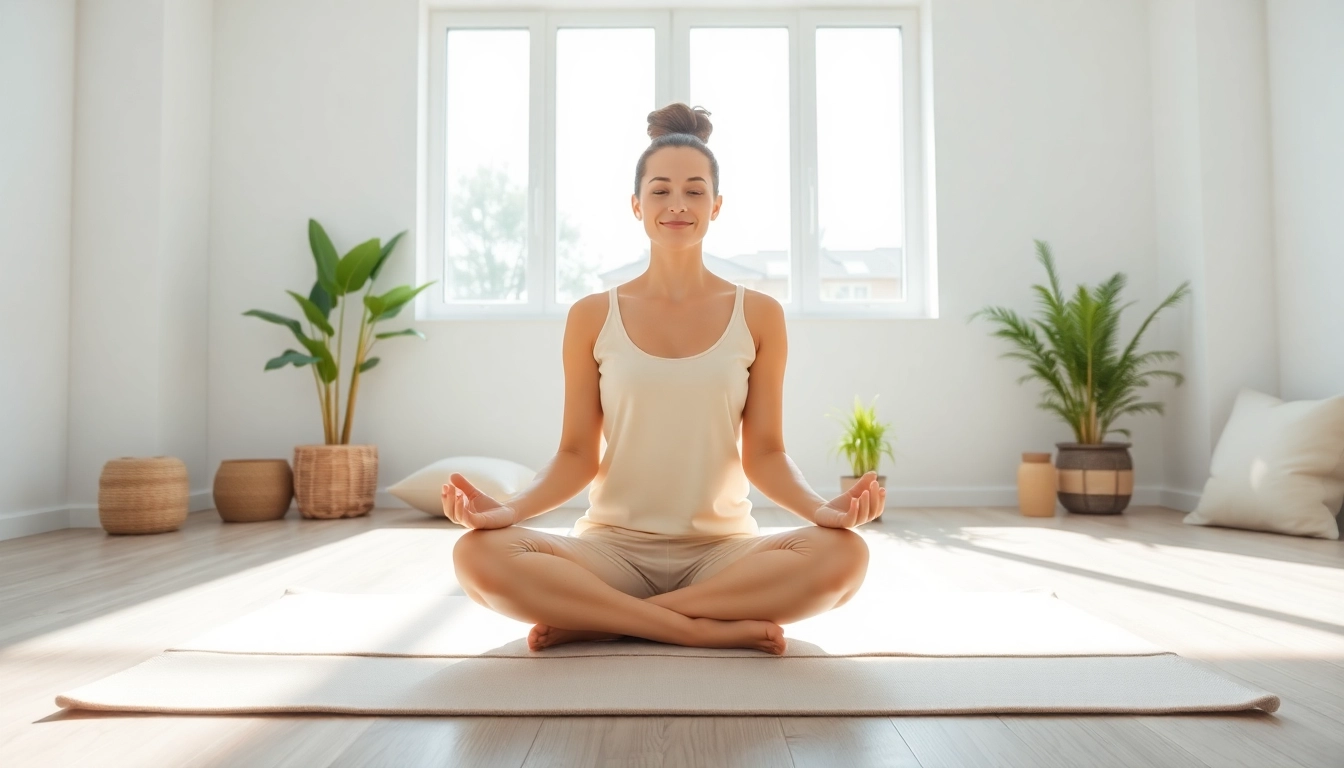
- Mindfulness Meditation: Regular practice can help in developing a non-judgmental awareness of thoughts and feelings.
Physical Activity and Its Benefits
Regular physical activity is proven to reduce anxiety symptoms. Benefits include:
- Endorphin Release: Exercise increases the production of endorphins, helping to elevate mood.
- Reduced Muscle Tension: Movement helps alleviate physical symptoms of tension and anxiety.
- Improved Sleep: Regular exercise promotes better sleep patterns, which is vital for mental health.
Support Systems for Managing Anxiety Symptoms
The Role of Friends and Family
Having a strong support system is instrumental in managing anxiety symptoms. Friends and family can provide emotional support, facilitate coping strategies, and help individuals feel less isolated. Open communication about feelings and experiences is vital.
Finding Support Groups
Joining a support group can be beneficial for those struggling with anxiety. It provides a platform for individuals to share experiences, learn from others, and gain valuable insight into management techniques.
Online Resources and Hotlines
The digital age offers a wealth of support resources. Many websites provide immediate strategies for coping with anxiety, along with helplines for emergencies. Utilizing these tools can offer immediate relief and guidance.
Future Perspectives on Anxiety Symptoms
Advancements in Treatment Options
Future advancements in anxiety treatment can include emerging therapies like neurofeedback and virtual reality exposure therapy, which are showing promising results in clinical studies.
Importance of Ongoing Research
Continued research into the neurobiological aspects of anxiety is essential for developing more targeted therapies that address the root causes rather than only the symptoms.
Building Resilience Against Anxiety Symptoms
Building resilience is crucial for managing anxiety symptoms effectively. Techniques to foster resilience include developing problem-solving skills, maintaining a positive outlook, and seeking personal growth opportunities.
Frequently Asked Questions
What are the early signs of anxiety symptoms?
Early signs include excessive worrying, restlessness, and difficulty concentrating. Physical symptoms may also arise, such as increased heart rate and muscle tension.
Can anxiety symptoms be managed without medication?
Yes, anxiety symptoms can often be managed through therapy, mindfulness, exercise, and lifestyle modifications, although medication may be necessary for some individuals.
How long does it take to feel better from anxiety symptoms?
The timeline varies per individual; some may notice improvements within weeks with consistent management strategies, while others may take longer.
When is anxiety considered a disorder?
Anxiety is typically considered a disorder when symptoms are persistent, pervasive, and interfere significantly with daily functioning.
What can I do in a moment of panic?
During a panic attack, practice deep breathing, focus on grounding techniques, and remind yourself that the attack will pass. It can help to know your triggers beforehand.