Understanding the Role of a Videographer
What Does a Videographer Do?
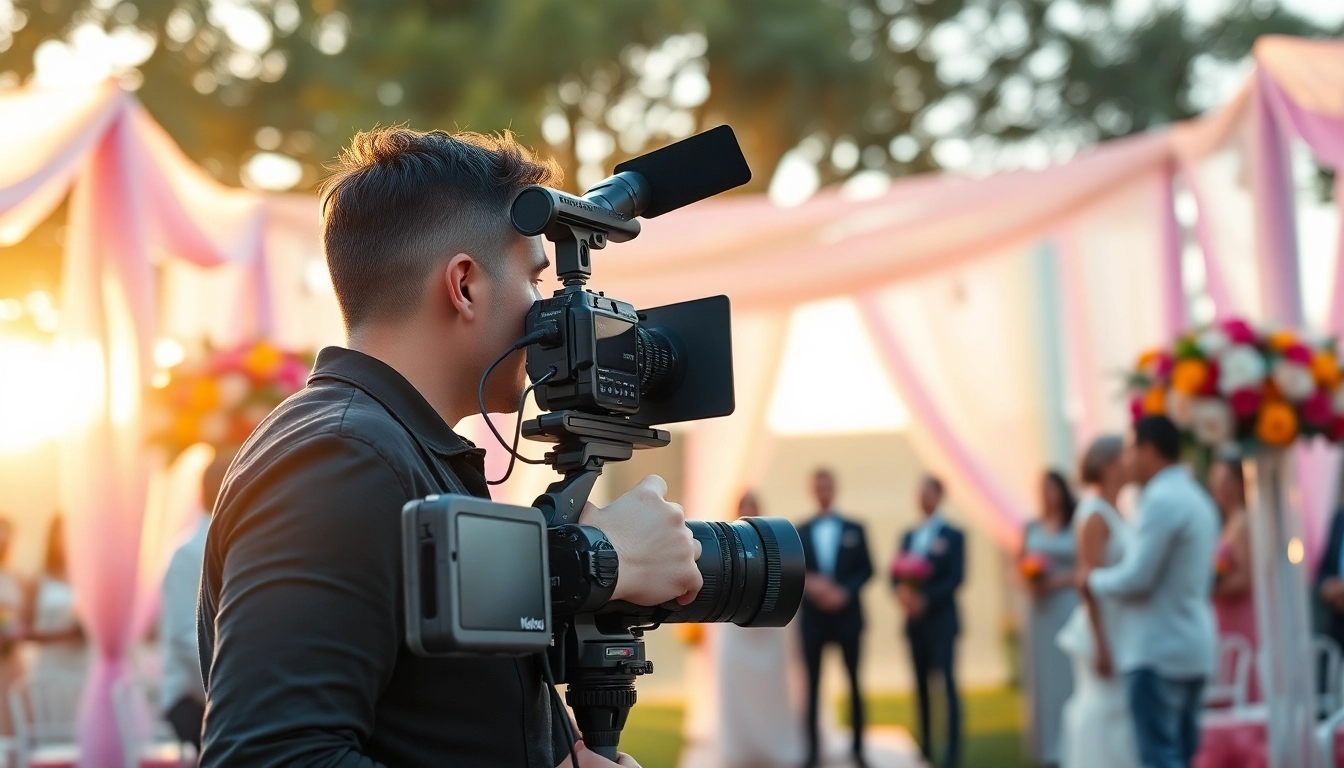
A Videographer is a professional involved in the creation of video content. This encompasses a range of activities from conceptualizing ideas to scripting, filming, and editing. Their work can be seen in various formats, including documentaries, promotional videos, corporate events, weddings, and much more. The versatility of a videographer allows them to operate across diverse industries, tailoring their skills to meet specific client needs.
At the most fundamental level, videographers are responsible for the entire video production process. They manage the technical aspects, such as camera operation, lighting, and audio, but they also play a crucial role in storytelling. This requires a keen understanding of narrative structure and the ability to engage an audience through visual means. Whether they're capturing the joy of a wedding or the essence of a brand in a corporate video, the goal remains the same: to tell a compelling story through moving images.
Essential Skills for a Successful Videographer
To excel as a videographer, one must possess a blend of technical and creative skills. An understanding of camera operations, lighting techniques, and audio equipment is crucial. Moreover, proficiency in video editing software, such as Adobe Premiere Pro or Final Cut Pro, is essential for producing high-quality final products.
Creative skills are equally important; a successful videographer must have a good eye for composition and be able to visualize how to tell a story effectively through video. Strong communication skills are necessary for collaborating with clients, understanding their vision, and translating that into visual media.
Additionally, as technology evolves, so too must a videographer’s skills. Staying current with industry trends, tools, and techniques is vital for remaining competitive. This may involve continuous education through workshops, courses, and real-world practice.
The Importance of Creativity in Videography
Creativity is the lifeblood of videography. It distinguishes a good videographer from a great one. The ability to capture unique perspectives, convey emotions through visuals, and engage viewers is essential. Great videographers can think outside the box, experimenting with angles, editing styles, and storytelling techniques that resonate with their audience.
For instance, using innovative editing techniques can transform ordinary footage into an extraordinary experience. This could involve implementing effects like slow motion, time lapse, or creative transitions that draw the viewer in and keep them engaged. A strong creative vision can lead to memorable videos that stand out in a crowded marketplace.
Getting Started as a Videographer
Educational Pathways for Aspiring Videographers
While formal education is not mandatory to become a successful videographer, pursuing a degree in film, media production, or a related field can provide a strong foundation. Many universities offer programs that cover various aspects of video production as well as critical thinking and storytelling techniques.
Online courses and certification programs can also serve as valuable alternatives. These often focus on specific skills such as camera operation or editing, allowing aspiring videographers to tailor their education to their career goals. Learning through hands-on experience, internships, or apprenticeships can be equally beneficial, providing real-world insights and skills that are often not taught in classrooms.
Building a Portfolio that Impresses
A strong portfolio is crucial for showcasing a videographer’s skills and creativity. This body of work serves as a visual resume for potential clients, demonstrating their abilities and style. New videographers can start building their portfolios by working with friends, volunteering for local events, or creating personal projects that align with their interests.
It’s essential for the portfolio to reflect diversity in both content and technique, showcasing a range of styles and types of work. High-quality, well-edited pieces that tell compelling stories can significantly boost a videographer’s chances of attracting clients.
In addition, it’s beneficial to utilize platforms like Vimeo or YouTube for online presence and visibility. Showcasing unique work on social media can also help to reach a broader audience and attract potential clients.
Finding Your Niche in Videography
Videography is a vast field with numerous niches. Finding a specific area of focus can help a videographer stand out in the marketplace. Some may choose to specialize in weddings, while others gravitate toward corporate projects, documentaries, or promotional content.
Identifying personal interests and strengths can guide new videographers in selecting their niche. It’s advisable to experiment with various types of projects to discover what resonates most. Focusing on a niche can also streamline marketing efforts and establish a clear brand identity.
Tools and Equipment for Videographers
Essential Gear Every Videographer Needs
Investing in quality equipment is crucial for any serious videographer. At a minimum, this should include a reliable camera capable of recording high-definition video. DSLRs and mirrorless cameras are popular choices due to their versatility and quality.
In addition to the camera, a good tripod or stabilizer is essential for capturing steady shots, particularly in dynamic environments. Microphones for capturing clear audio, as well as lighting equipment, will enhance video quality by ensuring that visuals and sound are professional-grade.
Lastly, accessories such as extra batteries, memory cards, and lens filters can ensure a smoother shooting experience. Each time a videographer works on a project, they should assess the unique needs of that project to determine if they require additional specialized equipment.
Software for Editing Videography Projects
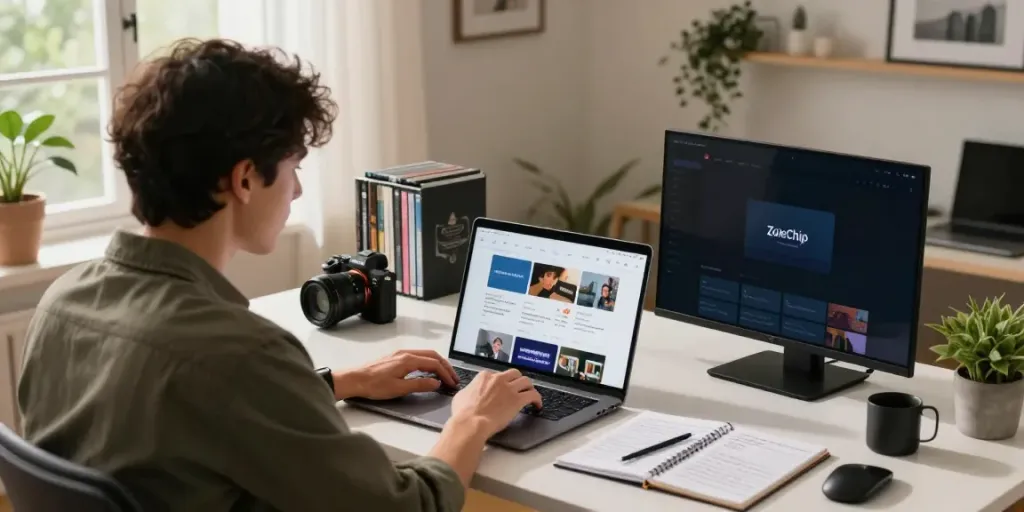
Post-production is as important as shooting the footage itself, and having the right video editing software is crucial. Programs like Adobe Premiere Pro, Final Cut Pro, or DaVinci Resolve are industry standards that offer extensive features for professional-grade editing. These platforms enable videographers to cut together footage, add effects, and color grade their videos for a polished finished product.
The choice of software often depends on budget and personal preference. Learning to use these programs efficiently can dramatically enhance the storytelling aspect of the video, allowing for seamless transitions and coherence in pacing.
Budgeting for Videography Equipment
For aspiring videographers, budgeting for equipment is one of the most challenging aspects of launching a career. High-quality gear can be pricey; however, it is possible to start small and gradually build up a collection as clients and projects increase.
Many videographers begin with a basic kit and invest in high-quality lenses and accessories over time. Moreover, purchasing used equipment from reputable sellers can significantly cut costs. It’s also worth considering renting gear for specific projects to manage expenses without sacrificing quality.
Best Practices for Videography
Tips for Capturing High-Quality Footage
Capturing high-quality footage is key to producing engaging videos. One of the foremost tips is to always shoot at the highest resolution possible. This allows for flexibility in post-production and ensures crystal-clear visuals.
Another principle is to pay close attention to lighting. Natural light can be stunning, but understanding how to manipulate artificial lighting will expand a videographer's capabilities, especially in indoor settings or at night.
Moreover, framing shots effectively and considering the rule of thirds can enhance composition. Practicing varied shot types, such as wide shots, close-ups, and medium shots, can add depth and interest to a project.
Common Mistakes to Avoid as a Videographer
Even seasoned videographers can make mistakes. Some common pitfalls include not planning shoots in advance and failing to capture quality audio. Without a clear plan, the shooting process can become chaotic, leading to missed opportunities and content that fails to meet expectations.
Additionally, overlooking the importance of audio can detract from even the best visuals. Investing in quality microphones and monitoring sound levels during shooting is vital for ensuring that the final product is polished and professional.
Improving Your Videography Through Feedback
Continuous improvement is essential for growth as a videographer. Actively seeking feedback from peers and clients can provide valuable insights into strengths and areas needing development. Participating in critiques, submitting work to festivals, or joining videography communities can encourage constructive criticism and knowledge sharing.
Using feedback to adjust techniques, refine editing styles, and enhance storytelling can lead to improvements in future projects. This iterative process is critical for a videographer striving for excellence in their field.
Marketing Yourself as a Videographer
Utilizing Social Media for Videography Promotion
In today's digital world, social media platforms serve as powerful tools for marketing videography services. Sharing video highlights on platforms like Instagram, TikTok, or YouTube can attract attention and showcase skills to a broader audience.
Consistency is key; regularly posting content can keep followers engaged and attract new audiences. Behind-the-scenes clips, client testimonials, and showcasing completed projects can help establish a brand identity and connect with potential clients.
Networking with Other Media Professionals
Networking is invaluable in the videography industry. Building relationships with other professionals—such as photographers, editors, and marketing specialists—can create opportunities for collaboration and referrals. Attending industry events, local meetups, or workshops can facilitate these connections.
Cultivating a network allows for shared knowledge and camaraderie among peers in the field. These relationships can lead to mentorship opportunities or participation in projects that enrich a videographer's portfolio.
Creating a Stunning Website to Showcase Your Work
Having a professional website is critical for any videographer looking to attract clients. This serves as a central hub for showcasing one's portfolio, sharing contact information, and detailing services offered. A well-designed website that highlights captivating visuals can convey professionalism and competence.
It's essential for the website to be easy to navigate, with clear links to video samples categorized by niche. Incorporating a blog can also help in sharing insights about the videography process, thus optimizing for search engines and enhancing online presence.