
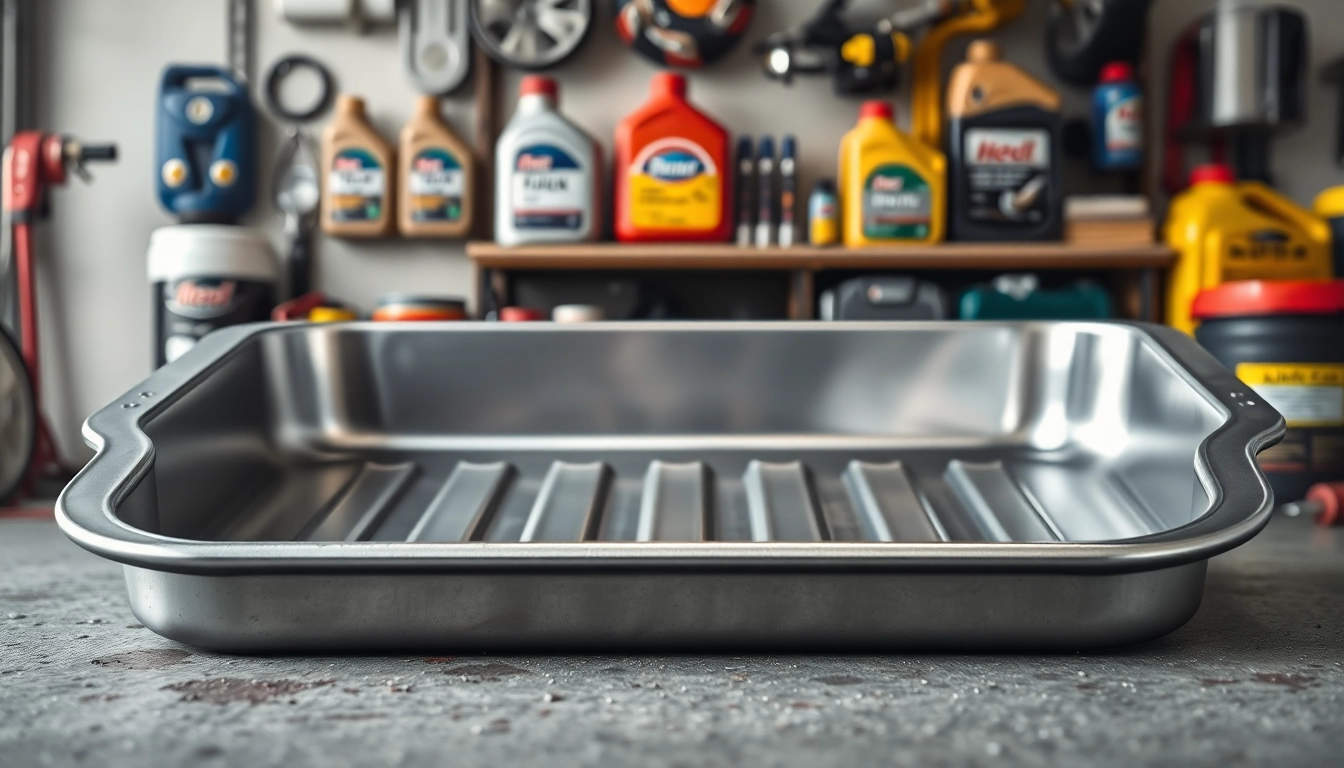
Understanding the Oil Drain Pan
What is an Oil Drain Pan?
An Oil Drain Pan is an essential tool for any automotive maintenance enthusiast or professional mechanic. This multipurpose equipment is specifically designed to collect oil and other fluids during vehicle maintenance, particularly during oil changes. Not only does it facilitate the safe disposal of used fluids, which can be hazardous, but it also helps maintain an organized and clean work environment. The design of an oil drain pan ensures that the collected liquids can be easily poured out or transferred without creating spills or messes.
Types of Oil Drain Pans Available
When selecting an oil drain pan, it’s important to know the various types available, each suited for different needs:
- Standard Plastic Pans: Lightweight and affordable, these are commonly used for small jobs or at-home maintenance.
- Metal Oil Drain Pans: More durable than plastic, metal pans are resistant to damage and can withstand high temperatures, making them suitable for heavy-duty use.
- Self-Contained Drain Pans: These come with a built-in pump for easy fluid transfer and are typically used in professional workshops.
- Flexible Oil Drain Pans: Designed with flexible materials, these pans can fit under tight spaces and modify their shape, offering a versatile option for those with limited access.
- Low-Profile Pans: Built to slide under vehicles easily, these are ideal for DIY mechanics working in confined spaces.
Importance of Using an Oil Drain Pan
The significance of using an oil drain pan cannot be understated. First, it promotes safety by preventing spills and minimizing exposure to hazardous materials. Secondly, it supports environmentally friendly practices by simplifying the recycling process of used oil. Lastly, adopting a proper oil drain pan saves both time and effort during maintenance, allowing for a more efficient workflow. An oil drain pan ensures that your workspace remains clean, organized, and ready for subsequent tasks.
Key Features to Look For
Material Considerations for Oil Drain Pan
Choosing the right material for your oil drain pan can significantly impact its performance and durability. Here are common materials most commonly used:
- Plastic: Lightweight and generally less expensive, plastic pans are less durable and may crack or warp at high temperatures.
- Aluminum: Lightweight yet durable, aluminum pans resist corrosion and can handle more significant temperature fluctuations.
- Steel: Providing maximum durability, steel pans can withstand heavy use. However, they can be heavy and prone to rust if not properly maintained.
Capacity Requirements of Oil Drain Pan
The capacity of an oil drain pan is vital, especially when considering the type of vehicles you commonly work on. A standard oil change for most cars typically requires about 5 quarts of oil, so a pan with a capacity of at least 6-8 quarts provides a safety margin. For larger vehicles such as trucks or SUVs, consider pans with capacities of 10 quarts or more. Choosing the correct size can significantly reduce the risk of spills and make your maintenance tasks more efficient.
Design Elements to Enhance Use
The design of an oil drain pan greatly influences usability. Key features to look for include:
- Pour Spouts: Look for pans with built-in spouts to enable easy pouring of fluids without creating spills.
- Handles: Integrated or detachable handles make it easier to carry the pan and maneuver it under vehicles.
- Anti-Splash Design: Some models come with features to minimize fluid splashes, ensuring a cleaner workspace.
Best Practices for Using an Oil Drain Pan
Step-by-Step Guide to Proper Use
- Ensure the vehicle is on a level surface and use jack stands if necessary.
- Position the oil drain pan beneath the oil pan of the vehicle, aligning it directly under the drain plug.
- Remove the oil drain plug carefully; allow the oil to flow completely into the pan.
- After draining, replace the drain plug to prevent leaks.
- Once you finish, carefully pour the used oil into a recycling container for proper disposal.
Essential Safety Tips
Using an oil drain pan can involve handling hazardous materials. Follow these safety tips:
- Wear gloves and safety goggles to protect against spills and splashes.
- Work in a well-ventilated area to avoid inhaling harmful vapors.
- Check for any leaks or damages to the drain pan before use.
Cleansing Techniques for Longevity
To ensure your oil drain pan lasts, follow these cleaning techniques:
- After each use, thoroughly rinse the pan with hot soapy water to remove grease.
- For stubborn residues, use a degreaser designed for automotive work.
- Dry the pan completely before storing to prevent rusting, especially for metal pans.
Common Issues and Solutions
Leaks and Spills: Prevention and Cleanup
Leaks can undermine the effectiveness of your oil drain pan. To prevent leaks:
- Ensure the drain plug is secured tightly before draining oil.
- Inspect your oil drain pan regularly for cracks that could lead to spills.
In the event of a spill, quickly cover the area with absorbent material, such as kitty litter or sand, to minimize environmental damage.
Difficult Materials: Handling Special Oils
Special oils, like synthetic oils or fluids containing additives, may require different handling methods. Always refer to manufacturer guidelines for disposal, as some may necessitate special recycling methods.
Storage Solutions for Your Oil Drain Pan
Proper storage can prolong the life of your oil drain pan. Here are some effective storage solutions:
- Store the pan in a dry place, away from extreme temperatures.
- Hang lightweight models on hooks to save space.
- Stack nested pans together to minimize the footprint in your garage or shed.
FAQs about Oil Drain Pans
What size oil drain pan do I need?
Choose a pan with a capacity that exceeds the oil amount in your vehicle; typically, 6-10 quarts is sufficient for most cars.
Can I use an oil drain pan for other liquids?
Yes, oil drain pans can collect various automotive fluids (e.g., transmission fluid), but ensure to clean them thoroughly afterward.
How do I clean my oil drain pan?
Rinse with hot soapy water, use a degreaser for tough spots, and dry completely before storage to prevent rust.
Are there portable oil drain pans available?
Yes, many models are designed to be lightweight and portable, making them suitable for home and professional use.
How often should I replace my oil drain pan?
Replace it if there are significant cracks, leaks, or signs of corrosion, especially for metal models.