Understanding Fly Fishing Bags
What is a Fly Fishing Bag?
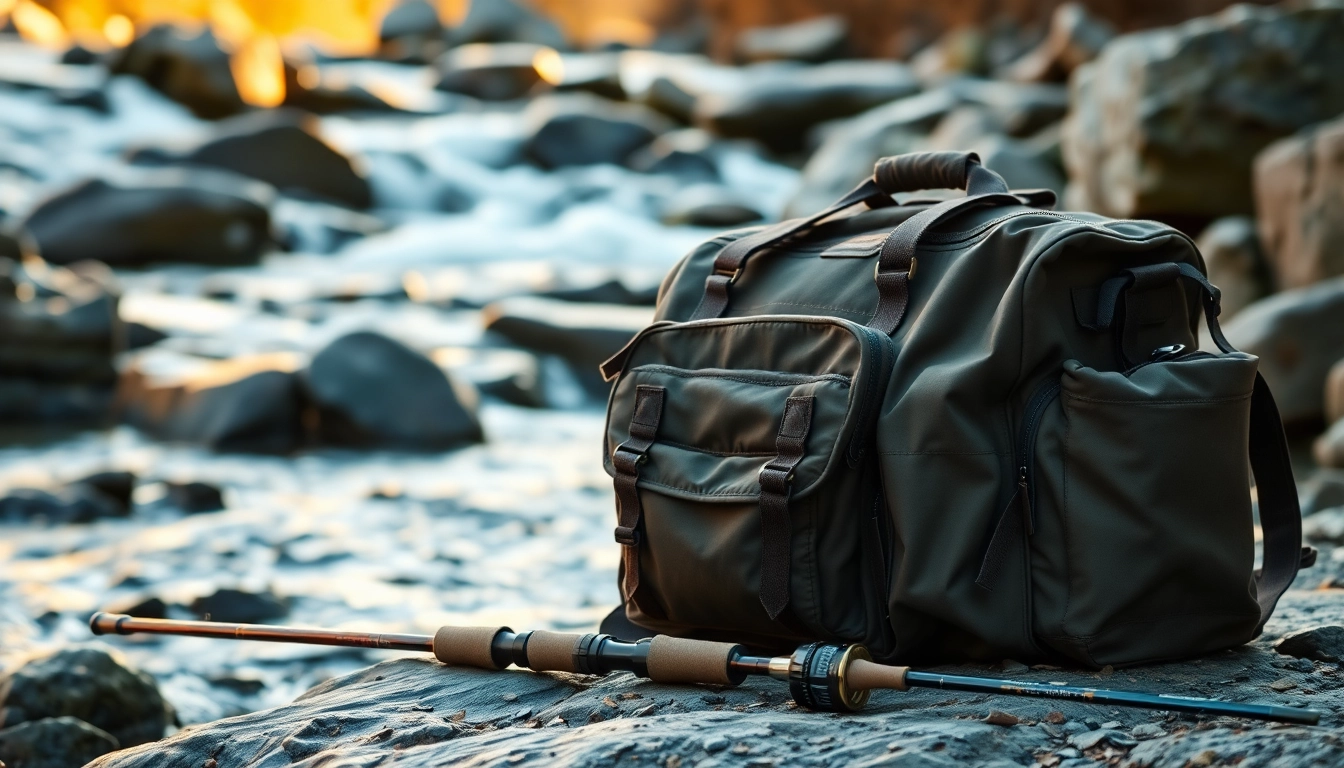
A Fly fishing bag is designed to carry essential gear and accessories that an angler needs while fishing. Unlike regular bags, these are specifically tailored to meet the unique demands of fly fishing. They allow you to comfortably transport your gear while providing quick access to fishing tools, lures, and personal items. Whether you are wading in a stream, hiking to a secluded lake, or navigating a river, a fly fishing bag is an indispensable companion that can enhance your fishing experience.
Types of Fly Fishing Bags
Choosing the right type of fly fishing bag is crucial for a successful day on the water. There are several types to consider, each serving various purposes:
- Chest Packs: These packs sit snugly on the chest, allowing for easy access to flies and other tools. Ideal for those who prefer to keep their hands free while casting.
- Sling Packs: Sling packs can be worn over one shoulder, providing a versatile option that allows for quick rotation to access gear. They often have ample storage while remaining lightweight.
- Hip Packs: hip packs sit comfortably around the waist, making them ideal for minimalists who want to keep essential items within easy reach without being weighed down.
- Backpacks: These are perfect for longer excursions where you need to carry more equipment. Many backpacks are made from waterproof materials and feature multiple compartments for organization.
- Side Bags: Often attached to a fishing vest or belt, side bags provide extra storage without adding bulk to your main pack.
- Rolling Bags: Best for travel, they allow you to carry substantial gear without the need to shoulder heavy loads.
Key Features to Consider
When selecting a fly fishing bag, consider the following features to ensure it meets your needs:
- Water Resistance: Look for materials that can withstand splashes and rain, keeping your gear dry.
- Comfort: Padded shoulder straps and ergonomic designs will help you carry your bag for extended periods without discomfort.
- Storage Capacity: Evaluate how much gear you typically carry. Choose a bag that offers enough compartments and pockets for organization.
- Accessibility: Quick-access pockets are extremely useful for rapid retrieval of frequently-used tools and flies.
- Durability: Select high-quality materials that can withstand wear and tear from the elements and rugged use.
- Versatility: Some bags offer the option to convert into different styles (e.g., a backpack that transforms into a sling), catering to diverse fishing scenarios.
Choosing the Best Fly Fishing Bag for Beginners
Essential Features for New Anglers
Beginners often face the overwhelming task of selecting suitable equipment, and the right fly fishing bag can significantly reduce stress. Here are essential features to look out for:
- Affordability: New anglers may not want to invest heavily at first. A budget-friendly bag that meets basic needs is a wise choice.
- Simple Design: A straightforward design helps beginners stay organized without getting lost in complex features.
- Weight: Lighter bags will be easier to handle for those who are just starting and may not have the stamina for long treks.
- Visibility: Bags with high-visibility colors make it easier to spot on the water, reducing the chance of misplacing it.
Top Bag Recommendations for Starters
For those just stepping into the world of fly fishing, here are several bags that combine value with functionality:
- Basic Hip Pack: Provides quick access to essential tools and allows for easy movement without bulk.
- Sling Pack: Offers versatile carrying options and ample space for basic equipment.
- Simple Backpack: Suitable for longer fishing trips, ensuring all necessary gear is carried without hassle.
Budget Considerations
When buying a fly fishing bag, budget is an important factor to weigh against features and quality. Low-cost bags may suffice for beginners, but investing a little more often results in longer-lasting and more functional options. Aim for a balance between price and durability, as this will ultimately affect your overall fishing experience.
Advanced Options for the Experienced Angler
Specialized Fly Fishing Bags Overview
As anglers become more experienced, their needs evolve. Specialized bags cater to specific fishing styles and applications:
- Expedition Packs: Designed for extended trips into the wilderness, featuring larger capacities, multiple compartments, and enhanced durability.
- Waterproof Options: Essential for anglers who wade into deeper waters where equipment protection is paramount.
- Integrated Systems: Some advanced bags come with built-in hydration systems or additional tools that streamline the fishing process.
Comparison of Features
When comparing advanced bags, focus on attributes that enhance productivity:
- Comparative Sizes: Understand the storage capacities to match your gear load-out better.
- Advanced Storage Solutions: Features such as waterproof compartments and modular systems can provide flexibility during fishing adventures.
- Extra Comfort Features: Padded, adjustable straps, sternum straps, and hip belts can greatly improve the experience of carrying heavier loads.
When to Upgrade Your Bag
Knowing when to upgrade your fly fishing bag largely comes down to a combination of experience level, frequency of fishing trips, and changing gear needs. If you find yourself frequently needing more space or functionality than your current bag offers, it's time to consider an upgrade. Likewise, if wear and tear have taken a toll on your bag's usability, an upgrade can significantly enhance your overall fishing experience.
Maintenance Tips for Your Fly Fishing Bag
Cleaning Techniques
Regular maintenance will extend the life of your fly fishing bag. Cleaning techniques include:
- Rinse After Each Use: After fishing, rinse your bag in clean water to prevent salt, mud, and dirt build-up.
- Use Mild Detergents: For deeper cleaning, use gentle soaps and consider scrubbing the fabric with a soft brush to remove tough stains.
- Follow Manufacturer’s Instructions: Always check for specific cleaning guidelines to avoid damage to materials.
Storage Solutions
Proper storage is critical for maintaining the integrity of your fly fishing bag:
- Dry Storage: Ensure the bag is completely dry before storing it away to prevent mold and mildew.
- Avoid Overstuffing: Keep it at a manageable weight and size during storage to prevent deformation.
- Use a Protective Cover: If storing for an extended period, consider using a dust cover to shield it from dirt and dust.
Prolonging Bag Life
To prolong the life of your fly fishing bag, consider the following:
- Limit Exposure to Harsh Conditions: While durability is prized, excessive exposure to harsh UV rays and saltwater can take a toll.
- Regular Inspections: Check seams, zippers, and straps periodically for signs of wear and repair promptly.
- Store Away from Direct Sunlight: Always store your bag in a cool, dry place and avoid extreme temperatures.
The Future of Fly Fishing Bags
Emerging Trends in Design
The fly fishing industry is witnessing innovative trends in bag design that enhance functionality and accessibility. Designs often embrace lightweight materials that are sustainable, water-resistant, and ergonomically tailored for comfort. Increasingly, we see bags incorporating segmentation for easy storage and faster retrieval of fishing essentials.
Technological Innovations in Materials
With advancements in textile technology, contemporary fly fishing bags integrate fabric innovations that add greater performance benefits. For instance, some bags utilize ripstop nylon, which is both lightweight and resistant to tearing. Additionally, the introduction of smart textiles—like those that can regulate temperature—promises to create a more enjoyable outdoor experience for anglers.
Environmental Considerations in Manufacturing
As eco-consciousness rises among consumers, many manufacturers are shifting to environmentally-friendly practices. This includes the use of recycled materials in bag construction, minimizing the carbon footprint associated with production. Consumers now prioritize sustainability and durability highly, and thus the manufacturing methods are increasingly focused on meeting these needs while maintaining high functional standards.