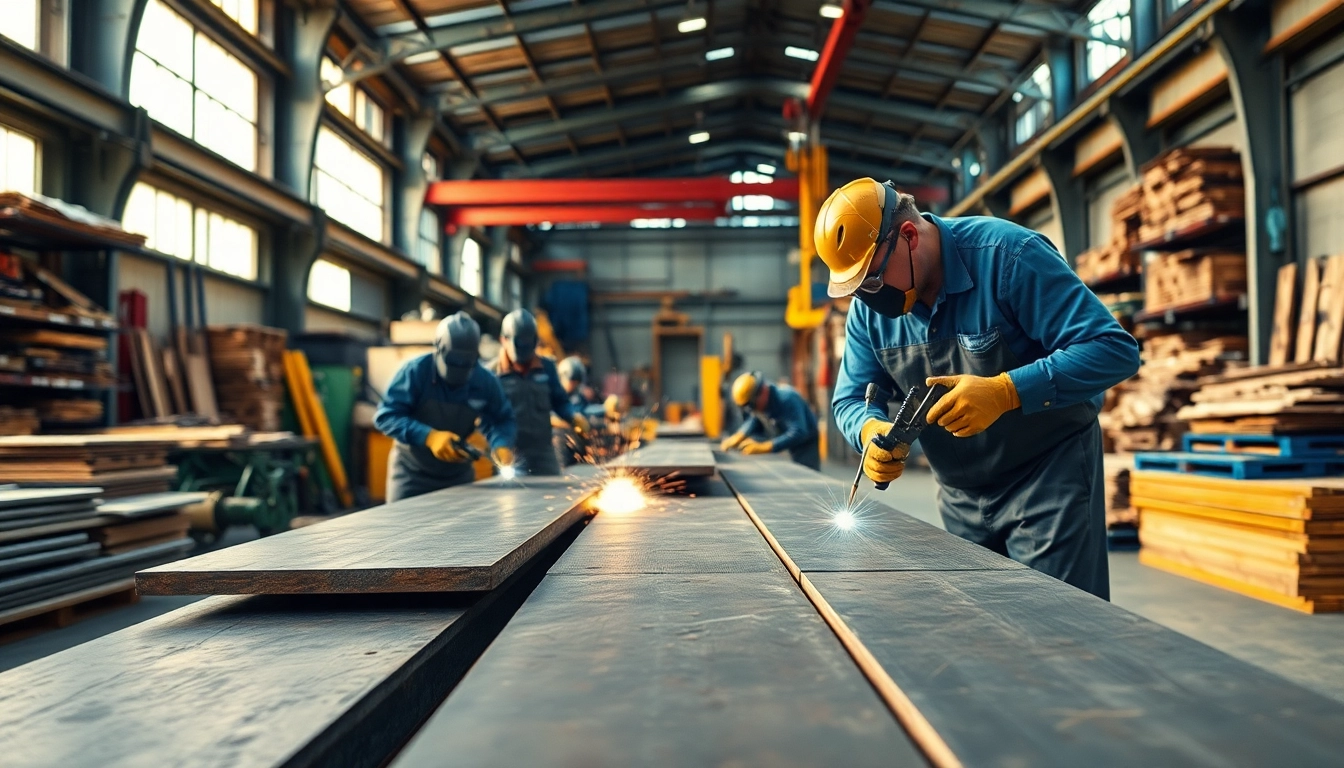

Understanding GRP Manufacturing
In the realm of advanced materials, Glass Reinforced Plastic (GRP) has become a cornerstone of modern manufacturing, offering a versatile solution for various industries. Known for its strength, durability, and lightweight properties, GRP is crafted through a meticulous manufacturing process that involves combining fiberglass reinforcement with a plastic matrix. This article delves deep into the intricacies of GRP manufacturing, its applications, benefits, and considerations for selecting a reliable GRP Manufacturer.
What is GRP and Its Applications?
Glass Reinforced Plastic, or GRP, is a composite material made from a polymer matrix reinforced with glass fibers. This unique combination results in a material that retains the flexibility of plastic while gaining the rigidity and durability of glass. GRP is utilized across a vast array of industries, including:
- Aerospace: Used in aircraft components where weight reduction is critical.
- Automotive: Incorporated into body panels and structural components for durability.
- Construction: Ideal for facades, roofing systems, and decorative elements due to its easy moldability.
- Marine: Used extensively for boat hulls, as the material withstands harsh environmental conditions.
The Benefits of Using GRP Materials
The appeal of GRP lies in its numerous advantages:
- Corrosion Resistance: GRP exhibits excellent resistance to chemicals and environmental degradation.
- Lightweight Nature: Despite its strength, GRP is significantly lighter than traditional materials like steel or aluminum.
- Design Flexibility: The manufacturing process allows for intricate designs that are often unattainable with other materials.
- Low Maintenance: GRP requires minimal maintenance over its lifespan, reducing long-term costs.
The Process of GRP Manufacturing
The GRP manufacturing process can generally be broken down into several key stages:
- Material Selection: Choosing appropriate resin and reinforcement materials based on the application.
- Preparation of Molds: Molds are prepared to facilitate various shapes and designs of the GRP product.
- Lay-Up Process: Glass fibers are laid within the mold and impregnated with resin, typically using hand lay-up or spray-up techniques.
- Curing: The composite is cured, allowing the resin to harden which solidifies the structure.
- Finishing: The final product is trimmed, sanded, and painted as necessary.
Key Considerations When Choosing a GRP Manufacturer
Quality Standards and Certifications
When selecting a GRP manufacturer, adherence to industry standards and certifications is crucial. Look for ISO certifications and compliance with relevant quality control measures to ensure the manufacturer’s ability to deliver reliable and high-quality products. This not only reassures you of the product’s integrity but also ensures safety and performance as per industry regulations.
Technological Capabilities of Manufacturers
The presence of advanced technologies in a manufacturing facility can significantly influence the quality of GRP products. Manufacturers employing state-of-the-art machinery, automation, and well-defined processes often achieve higher precision and efficiency. Considerations include the ability to incorporate innovative techniques like automated fiber placement and advanced curing methods that enhance product quality.
Customer Support and Service Levels
Exceptional customer support is a hallmark of a reputable GRP manufacturer. Assess their responsiveness and willingness to provide technical advice, troubleshooting, and after-sales services. A strong partnership is built on transparent communication and reliable support, which can greatly influence project success and satisfaction over time.
Identifying Reliable GRP Manufacturers
How to Evaluate Manufacturer Credentials
Evaluating a manufacturer’s credentials is paramount to ensuring a quality partnership. Look for a portfolio of past projects that showcases their expertise, and verify their years of experience within the industry. Engaging with previous clients can provide further insights into their reliability, professionalism, and quality of work.
Industry Reputation and Reviews
Researching online reviews and testimonials can unveil important information about a manufacturer’s reputation. Websites, industry forums, and professional networks often have feedback from clients that reflect their experiences. Pay attention to consistent themes in reviews, particularly regarding product quality and service delivery.
Case Studies of Successful Projects
Requesting case studies can provide concrete examples of a manufacturer’s capabilities. Focus on projects that relate to your needs; the methodologies employed, challenges faced, and how those challenges were overcome will speak volumes about their reliability and innovation in problem-solving.
Cost Implications of GRP Manufacturing
Understanding Pricing Structures
The pricing structure for GRP manufacturing can vary significantly based on factors such as material choice, complexity of the design, and volume of production. Keep in mind that while initial costs might seem higher, factors like durability and low maintenance fees can offer cost benefits over time.
Long-Term Value vs. Initial Costs
When budgeting for GRP projects, it is essential to weigh long-term value against initial costs. Though GRP may require a higher upfront investment compared to other materials, its longevity and performance can yield savings and value in the long run. Analyzing the total cost of ownership will provide a more accurate financial picture.
Budgeting for GRP Projects
Effective budgeting for GRP projects involves more than just material costs. Consider factors such as design and engineering fees, transportation, installation, and potential future scalability. Collaborating closely with your selected manufacturer can help outline all expected expenses and allow for a more precise budget forecast.
Future Trends in GRP Manufacturing
Innovations in GRP Technologies
The GRP industry is evolving with the integration of new technologies such as advanced composite materials and smart manufacturing solutions. Innovations like 3D printing of GRP components and the use of thermoplastics are paving the way for enhanced performance and design flexibility.
Sustainability in GRP Production
Environmental concerns are driving the push for sustainable practices within the GRP manufacturing sector. Embracing recycled materials and adopting eco-friendly production processes not only reduces waste but can also enhance the eco-credentials of GRP products, appealing to environmentally conscious consumers.
The Impact of Automation on GRP Manufacturing
Automation has the potential to revolutionize the GRP manufacturing landscape by improving efficiency, reducing costs, and minimizing human error. Automated systems can streamline the entire manufacturing process, from mold production to quality control, resulting in superior product consistency and shorter lead times.
FAQs about GRP Manufacturing
What is the lifespan of GRP products?
GRP products can last for several decades, often exceeding 20 years with proper maintenance and care.
Is GRP recyclable?
Yes, GRP can be recycled, although the processes are more complex compared to some other materials due to its composite nature.
What are the main uses for GRP?
GRP is widely used in construction, automotive, aerospace, and marine industries due to its strength, weight, and versatility.
Are there any health risks associated with GRP manufacturing?
Safety precautions should be followed as exposure to dust and fumes during manufacturing can pose health risks; proper protective gear is essential.
What factors affect GRP pricing?
Factors include the complexity of the design, material specifications, manufacturing processes, and the production volumes required.