
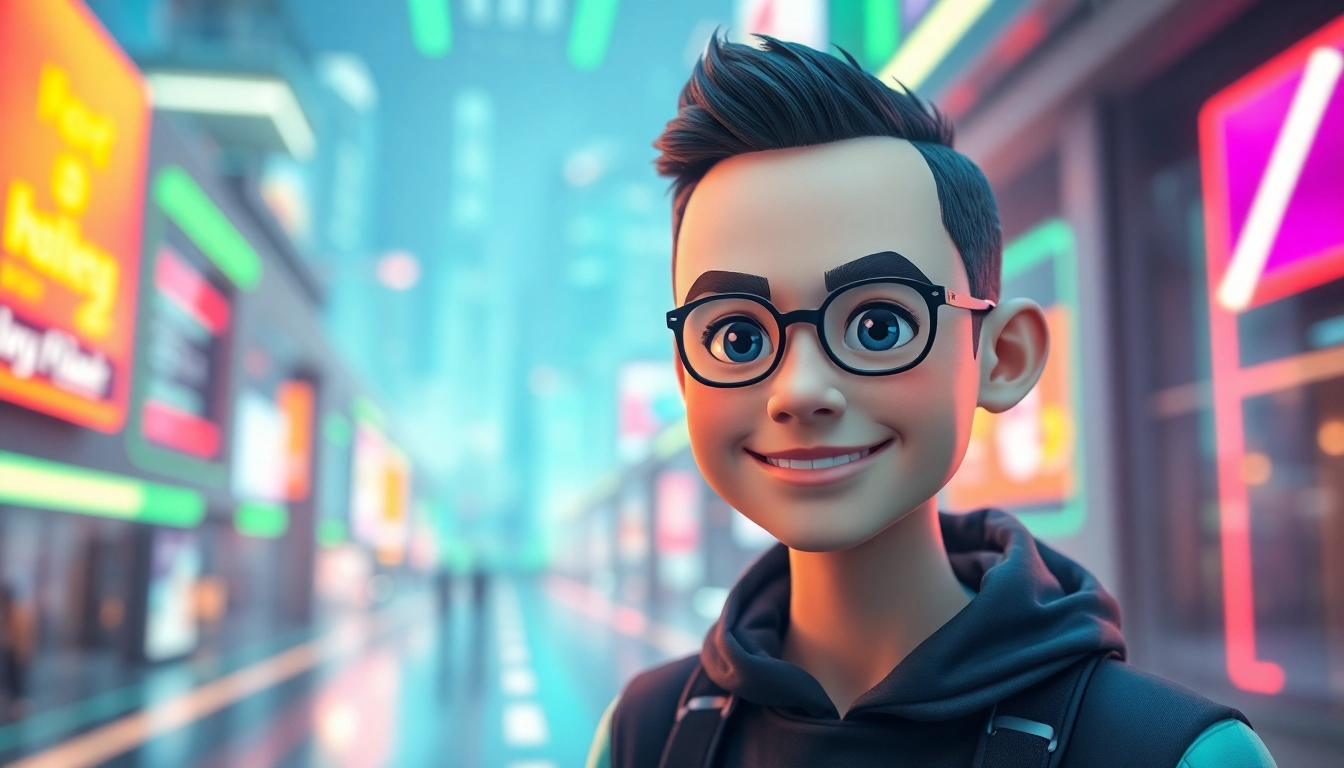
Understanding the Concept of Live Avatar
Definitions and Key Features
A live avatar is a digital representation of a user, typically animated and interactive, that can embody the user’s personality, emotions, and actions in real time. These avatars integrate a range of features, such as facial recognition, motion tracking, and voice modulation, creating a personalized experience for both the avatar’s creator and its audience. Key features include high levels of customization, real-time interaction, and the capability to participate in various digital platforms.
Historical Background and Evolution
The journey of avatars began in the early days of the internet, with simple 2D graphics depicting users in online forums and multiplayer games. As technology advanced, so did the complexity of avatars. The introduction of 3D graphics brought forth the first virtual worlds where users could control their representations, offering deeper interaction. The advent of smartphones and augmented reality (AR) shifted the landscape further, leading to the development of live avatars that reflect more realistic human behaviors and appearances.
Importance in Digital Communication
In today’s digital age, live avatars play a significant role in enhancing virtual communication. They provide a sense of presence, bridging the gap between the digital and physical worlds. Avatars can convey emotions and reactions, leading to richer interactions in virtual meetings, gaming sessions, and social media. By embodying users’ characteristics, they foster authenticity in online interactions and help build relationships in a space where traditional body language may be absent.
Types of Live Avatar Applications
Social Media Integration
Live avatars have gained immense popularity on social media platforms, allowing users to express themselves uniquely. With features like filters and effects, platforms such as Snapchat and Instagram enable users to create dynamic avatars that evolve based on trending aesthetics. These avatars serve as avatars of personal branding and identity, providing an engaging way to connect with followers.
Gaming and Virtual Reality
In the realms of gaming and virtual reality (VR), live avatars have transformed the user experience. Leading games allow players to create highly customizable avatars that reflect their in-game persona. In VR environments, these avatars enhance immersion, allowing users to navigate virtual spaces and interact naturally within digital worlds. Popular VR platforms leverage advanced motion tracking to reflect players’ movements in real-time, making gameplay more engaging.
Business and Professional Uses
The business landscape has recognized the value of live avatars in virtual meetings and presentations. Corporations utilize avatars for team collaboration, making remote meetings feel more personal. These avatars can animate verbal communication, mimicking natural gestures, which enhances understanding and engagement among remote participants. Additionally, training sessions and workshops are enriched through the use of avatars that demonstrate real-world applications in a virtual setting.
Creating a Live Avatar: Tools and Techniques
Choosing the Right Software
Creating a compelling live avatar begins with selecting the right software. A variety of tools are available, ranging from simple online generators to sophisticated graphic design programs. Key factors to consider include user-friendliness, customization extent, and integration capabilities. Popular options like MetaHuman Creator and ZEPETO provide high-quality outputs, catering to both novice and advanced users.
Customization Options for Personalization
Once the software is selected, the next step is personalization. Users can tailor their avatars by adjusting facial features, hair, attire, and accessories to closely represent their identities. Furthermore, dynamic elements like facial expressions and movements can be incorporated, allowing avatars to respond to user actions or speech, adding a layer of authenticity to interactions.
Best Practices for Design
When designing a live avatar, it’s crucial to ensure consistency across various platforms. Maintaining a cohesive style allows for seamless recognition by peers. Additionally, focusing on user-friendly features such as clear movements and emotional expressions can drastically improve user engagement. Testing the avatar in real-world situations will also help identify areas for improvement and ensure its functionality aligns with user expectations.
Enhancing User Engagement with Live Avatar
Improving Communication through Avatars
Utilizing live avatars in digital communication enhances user engagement significantly. By offering visual representations of users, avatars create a sense of belonging and emotional connection during interactions. They can convey non-verbal cues, thereby reducing misunderstandings and improving the clarity of communication. Users are more likely to engage, express opinions, and participate in discussions when they feel represented in the virtual space.
Case Studies of Successful Implementations
Numerous organizations and platforms have successfully implemented live avatars to foster engagement. For instance, virtual events utilizing avatars have seen a rise in participant interaction and satisfaction. Such platforms have reported higher attendance rates and increased feedback from users, showcasing avatars’ potential in driving involvement. Evaluating these case studies reveals critical insights into best practices for effective avatar usage in various sectors.
Measuring Engagement Metrics
Evaluating the effectiveness of live avatars requires measuring engagement metrics. Key performance indicators (KPIs) include user participation levels, session durations, and interaction frequency with avatar features. By analyzing these metrics, creators can assess the avatars’ impact on user experiences and make informed adjustments to enhance engagement further. Tools like Google Analytics can assist in tracking and analyzing user interaction data essential for ongoing improvement.
Future of Live Avatar in Digital Communication
Trends to Watch in Avatar Technology
The future of live avatars points towards increased realism and functionality. Emerging technologies, such as artificial intelligence (AI) and augmented reality (AR), are set to advance avatar capabilities further, making them more immersive and lifelike. As consumers demand more engagement in digital experiences, expect trends like improved gesture recognition, real-time emotional expression adaptation, and seamless integration across platforms.
The Role of AI in Avatar Development
Artificial intelligence will play a pivotal role in the development of live avatars. AI-powered avatars can analyze user emotions and adjust their responses accordingly, providing a personalized experience. This capability could transform virtual customer service, education, and entertainment sectors by creating emotionally intelligent avatars that respond to user needs and preferences dynamically.
Potential Challenges and Considerations
Despite the promising future of live avatars, several challenges must be addressed. Issues related to privacy and data security are paramount, especially when avatars use sensitive user data for personalization. Additionally, the technical barriers to entry may limit access for some users. As the technology progresses, addressing these concerns will be essential to ensuring widespread adoption and successful user experiences.
FAQs
What is a live avatar?
A live avatar is a digital character that represents a user in virtual environments, providing real-time interaction and responsiveness based on user input.
How can I create my own live avatar?
You can create a live avatar using software like MetaHuman Creator or Avatoon, allowing for extensive customization and personalization options.
Where are live avatars used?
Live avatars are utilized across various platforms, including social media, online gaming, virtual reality, and digital business meetings, enhancing user interaction.
What are the benefits of using live avatars?
Benefits include improved communication, increased user engagement, enhanced representation, and the ability to convey emotions more effectively during virtual interactions.
What trends should I expect in avatar technology?
Expect trends such as greater realism, AI integration for emotional responses, and enhancements in gesture recognition, improving the overall immersive experience of live avatars.