
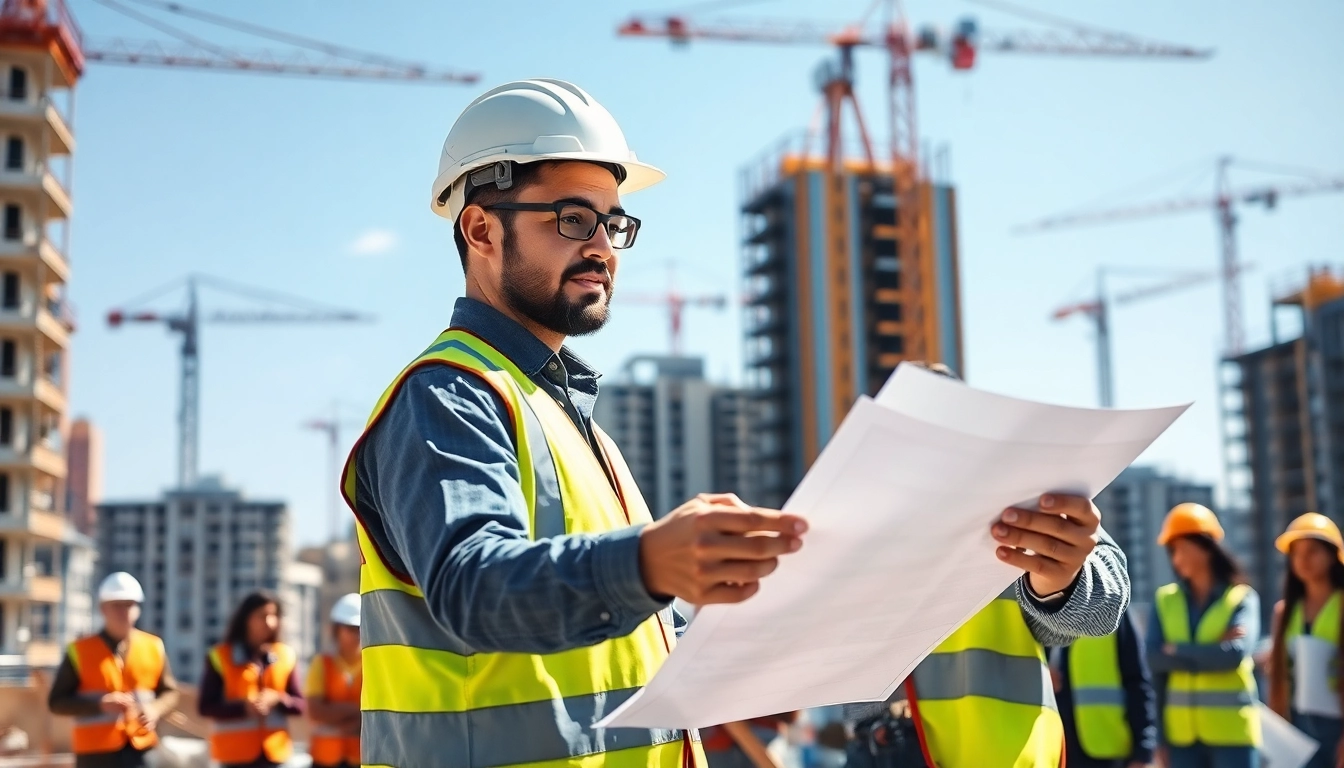
Overview of Residential Building Developer Functions
In the realm of real estate, few roles are as pivotal as that of a residential building developer. These professionals are tasked with the comprehensive management of residential construction projects, which often include transforming vacant land into vibrant communities. Despite the varying scales at which residential developers operate—from single-family homes to large multi-unit residential complexes—the core functions and responsibilities remain broadly similar across all levels. In this article, we delve into the intricacies of the residential building developer role, exploring their responsibilities, skills, challenges, and the future of residential building development.
What Does a Residential Building Developer Do?
A residential building developer plays a multifaceted role that begins with the identification of potential sites for development. This process entails extensive research to assess land viability, zoning laws, market trends, and economic forecasts. Following site acquisition, developers collaborate with architects and engineers to design plans that align with market needs and regulatory requirements.
They are also responsible for securing financing and overcoming various challenges associated with land use, environmental impact assessments, and securing permits. Once the planning stage is complete, the developer oversees the construction process, coordinating subcontractors and ensuring compliance with safety regulations and project timelines.
Key Skills Required for Success
Success in residential building development hinges on a diverse skill set. Developers must possess strong project management skills, as they navigate complex schedules involving multiple contractors and subcontractors. Financial acumen is also critical; developers need to analyze costs and project revenues effectively. Additionally, excellent communication and negotiation skills are essential for liaising with government agencies, investors, and stakeholders.
Another vital skill is adaptability; changes in market demand or regulatory environments can occur rapidly, requiring developers to pivot strategies effectively. Finally, a keen eye for design and a solid understanding of architecture principles help in conceptualizing appealing and functional living spaces.
The Importance of Collaboration in Development
Collaboration is a cornerstone of successful residential building development. Developers frequently engage with a myriad of professionals throughout the project lifecycle, including architects, engineers, contractors, and city planners. Effective collaboration not only streamlines the development process but also enhances innovation and problem solving, enabling teams to overcome obstacles that may arise during planning and construction.
Implementing collaborative software tools can facilitate communication among team members, enabling seamless sharing of updates and project documents. By fostering a culture of collaboration, residential building developers can drive projects to completion more efficiently and effectively.
Stages of Residential Building Development
Initial Planning and Land Acquisition
The initial phase of residential building development involves meticulous planning and land acquisition. Developers conduct extensive market research to identify potential sites for new residential projects. This includes assessing location desirability based on accessibility, amenities, and demographic trends.
Land acquisition may involve negotiating purchases from private owners or engaging with governmental entities for parcels of land. Due diligence is critical at this stage; developers must ensure that the land’s zoning permits residential construction and evaluate any potential environmental issues that may complicate development.
Designing the Project
Once a suitable site is acquired, the next step is to design the project. This phase involves collaborative efforts with architects to create functional, aesthetically pleasing designs that meet market demands. Developers must align their designs with local building codes and regulations, ensuring compliance with zoning laws and obtaining necessary permits.
It is essential for residential building developers to engage in community outreach during this phase to address any concerns from local residents and stakeholders. Incorporating community feedback can lead to more acceptable project designs and smoother approval processes.
Construction and Project Management
Following the design phase, the construction phase begins with the hiring of contractors and subcontractors. Effective project management is paramount during construction to ensure timelines and budgets are adhered to. Developers must oversee daily activities on site, ensuring that construction progresses as planned and that quality standards are met.
Regular site inspections, effective communication with contractors, and troubleshooting any arising issues are all key components of this phase. Additionally, managing payment schedules and funding draws is essential to keep the project financially on track.
Understanding Market Demands for Residential Building Developers
Identifying Buyer Preferences
Understanding market demands involves analyzing buyer preferences, which can significantly influence the success of residential projects. Developers should conduct surveys, focus groups, and market analyses to determine what features and amenities are most desired by potential homeowners.
Current trends indicate a growing preference for sustainable building practices, modern amenities, and smart home features, which developers should consider when designing their projects. By aligning their offerings with buyer expectations, developers can position their projects for success in competitive markets.
Adapting to Economic Changes
The real estate market is subject to fluctuations based on broader economic conditions. Developers must stay informed about economic indicators, such as interest rates, employment rates, and consumer confidence, which can impact market demand for new homes.
Adapting strategies based on economic forecasts can avert potential losses. For instance, during economic downturns, developers might pivot towards building more affordable housing options or rent-to-own models to meet shifting consumer needs.
Importance of Sustainability Practices
As environmental concerns become increasingly prominent, sustainability practices in residential building development are not just desirable but essential. Developers can incorporate energy-efficient systems, renewable energy sources, and sustainable materials into their projects.
By implementing these practices, developers not only contribute positively to the environment but also appeal to environmentally-conscious buyers. Additionally, many governments offer incentives for sustainable building practices, which can further enhance the financial viability of projects.
Challenges Faced by Residential Building Developers
Regulatory and Compliance Issues
Residential building developers often encounter regulatory and compliance issues that can delay projects and escalate costs. Navigating the landscape of zoning laws, building codes, and environmental regulations requires acute awareness and often, legal counsel.
To mitigate these issues, developers should engage with local planning departments early in the project and invest time in understanding relevant regulations. This proactive approach can significantly reduce potential roadblocks during development.
Managing Construction Risks
Construction risks can arise from various sources, including labor shortages, material costs fluctuations, and unforeseen site conditions. Developers must actively manage these risks through effective planning and resource management.
Implementing risk management strategies, such as contingency planning and regular assessment of project progress, allows developers to respond swiftly to changes. Maintaining strong relationships with suppliers can also help mitigate costs related to material procurement.
Dealing with Market Fluctuations
Market fluctuations can significantly impact demand for residential buildings. Developers must be prepared to adjust their strategies through flexibility in project planning and execution. Keeping a close eye on market trends can help forecast shifts in buyer preferences or financial conditions.
Utilizing data analytics to monitor market conditions and buyer behavior enables developers to make informed decisions that align with current trends, thus safeguarding their investments.
Future Trends in Residential Building Development
The Rise of Smart Homes
As technology continues to evolve, smart homes are becoming increasingly desirable for buyers. Residential building developers should consider incorporating smart technology solutions into their designs, including automated lighting, security systems, and energy management tools.
By embracing these innovations, developers can enhance property value and offer features that appeal to the tech-savvy buyer, ensuring their homes remain competitive in the market.
Impact of Technology on Construction
Technology is reshaping construction processes, from Building Information Modeling (BIM) to drones for site inspections. Developers who leverage modern technology stand to benefit from efficiencies in project management and risk reduction.
Investing in construction technology can improve project timelines and reduce costs, ultimately leading to more successful project outcomes and higher customer satisfaction.
Emerging Sustainable Practices in Development
The future of residential building development increasingly revolves around sustainability. Developers must be proactive in adopting emerging practices such as carbon-neutral designs, cradle-to-cradle materials, and water conservation systems.
By prioritizing sustainability, developers not only align with market demands but also contribute positively to global environmental efforts. This commitment can differentiate them in a crowded marketplace as more buyers seek out eco-friendly living options.
Frequently Asked Questions
What is a residential building developer?
A residential building developer is a professional who oversees the planning, design, and construction of residential properties. They manage projects from inception to completion, ensuring compliance with regulations.
What skills are needed to be a successful residential building developer?
Key skills include project management, financial analysis, strong communication, negotiation abilities, and adaptability to market dynamics.
What are the main stages of residential development?
The key stages are initial planning and land acquisition, project design, and construction management. Each phase demands specific focus and management skills.
How do developers adapt to economic changes?
Developers analyze economic indicators to adjust their strategies and offerings, such as shifting focus to affordable housing during downturns.
Why is sustainability important in residential development?
Sustainability attracts environmentally conscious buyers and can lead to financial incentives from government programs. It benefits both the environment and developers’ reputations.